
Ask ten players what game has the best graphics, and you’ll get ten different answers — and every one of them will be defensible. Some will point to the path-traced neon of Night City, others to the volcanic gloom of Hellblade II’s Iceland, and someone will inevitably bring up a six-year-old Rockstar game that still embarrasses new releases. That’s the honest state of game graphics today: there is no single champion, but there is a clear top tier.
This article walks through that top tier. We’ll break down what actually makes games with good graphics stand out (spoiler: it’s not just polygon counts), explain the technology behind realistic game graphics, and then go game by game through fifteen of the best-looking games you can play right now.
What Makes a Game Have the Best Graphics?
Here’s the direct answer for anyone who wants it up front: as of 2026, the games most often cited for the best graphics are Alan Wake 2, Senua’s Saga: Hellblade II, Cyberpunk 2077 with path tracing enabled, and Red Dead Redemption 2. Which one “wins” depends on whether you value cutting-edge rendering tech, character realism, or world density.
But crowning any single graphics game misses the more interesting question: what are we actually judging? In practice, visual quality in games comes down to four ingredients working together.
Rendering technology
This is the raw horsepower layer — ray tracing, path tracing, global illumination, high-resolution textures, and upscaling tech like DLSS and FSR. High graphics games lean on these systems to simulate how light, shadow, and reflection behave in the real world. It’s the difference between a scene that looks lit and a scene that looks staged.
Art direction
Technology ages; art direction doesn’t. A stylized title with a strong, coherent visual identity can outlast photorealistic video games that chase hardware trends. This is why games with beautiful graphics from a decade ago can still look better than technically superior releases — the artists made deliberate choices that hardware can’t replicate on its own.
Animation and character fidelity
Human faces are where game visuals most often fall apart. Motion capture, facial scanning, and hand-polished animation determine whether a character reads as a person or a mannequin. Studios now invest as heavily in performance capture as in rendering.
World density and coherence
Immersive game worlds sell realism through accumulation — weathered signage, cluttered interiors, crowds that behave believably. Every game graphic asset, from a hero character down to a background prop, has to hold up under scrutiny, because players will scrutinize everything.
The best graphics video games can offer today combine all four. The list below is built on that standard, not on benchmark screenshots alone.
What Makes a Video Game Look Realistic?
Realism in video games graphics is mostly a lighting problem. The human eye is remarkably forgiving of simplified geometry and remarkably unforgiving of wrong light. That’s why the biggest visual leap of this console generation came not from more polygons but from ray tracing and its more ambitious sibling, path tracing — techniques that simulate individual light rays bouncing through a scene instead of faking illumination with pre-baked tricks.
A few other pillars of realistic game graphics are worth knowing:
Physically based rendering (PBR) ensures materials react to light the way they would in reality — brushed metal, wet asphalt, and human skin all scatter light differently, and PBR encodes those differences into every surface. Photogrammetry takes this further by scanning real-world objects, locations, and actors into the game, which is how studios like Ninja Theory achieved Hellblade II’s uncanny Icelandic terrain. Volumetric effects handle fog, smoke, and god rays as three-dimensional participating media rather than flat sprites. And modern engines like Unreal Engine 5 add systems such as Nanite (film-quality geometry streamed in real time) and Lumen (dynamic global illumination), which together removed two of the oldest compromises in games graphics.
The final ingredient is the one most often overlooked: skilled artists. Advanced graphics technology only provides the canvas. Character models still need sculpting, texturing, and rigging by hand — which is exactly the craft behind professional 3D character design, where anatomy, expression, and material work determine whether a face survives a 4K close-up. Engines render; artists convince.
Best-Looking Games Available Today
The line between cinematic film and graphic video games keeps blurring, and the fifteen titles below are the reason why. Each entry earns its place for a different flavor of visual excellence.
Alan Wake 2
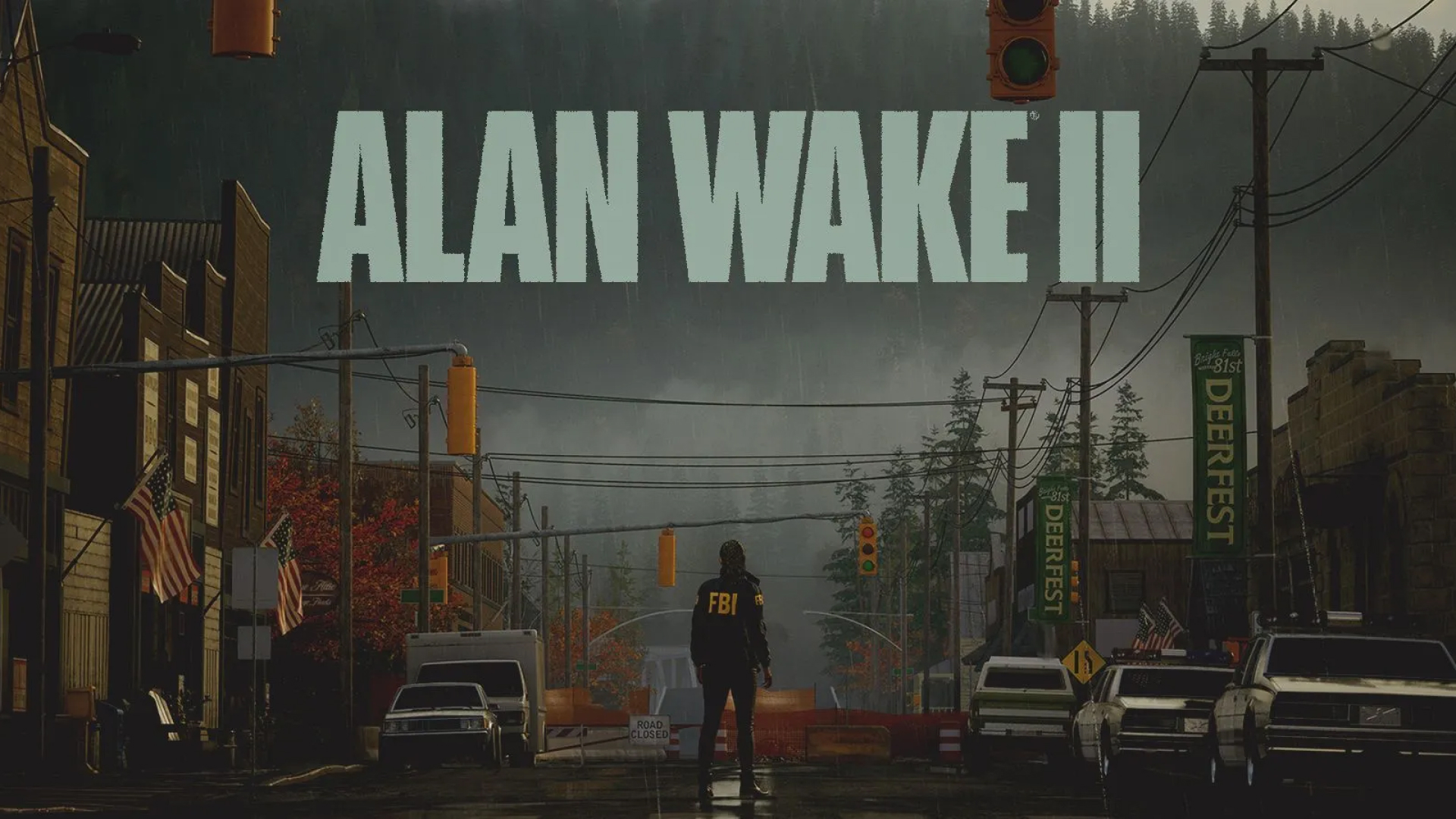
Remedy’s survival horror masterpiece is arguably the most technologically advanced game on this list. Built on the in-house Northlight engine, it deploys path tracing, ray-traced reflections, and mesh shading to render the rain-slicked Pacific Northwest and the surreal Dark Place with filmic precision. What elevates it beyond a tech demo is Remedy’s art direction — live-action footage blends into gameplay, light itself is a gameplay mechanic, and every scene is composed like a frame from a psychological thriller. On high-end PC hardware, this is as close to interactive cinema as real-time rendering currently gets.
Senua’s Saga: Hellblade II
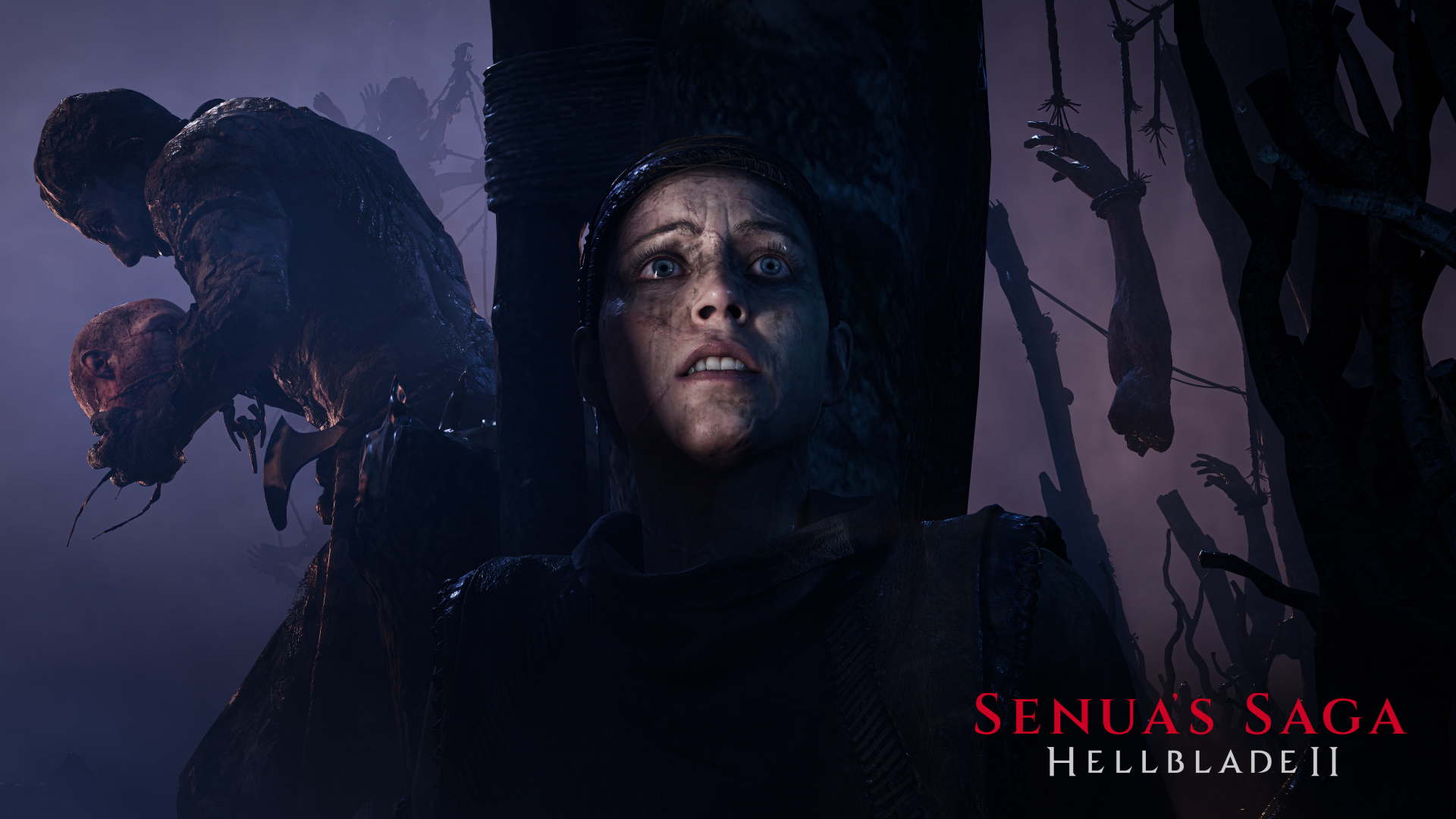
Ninja Theory set out to build the most photorealistic game ever made, and by most accounts they succeeded. Hellblade II runs on Unreal Engine 5 and combines photogrammetry-scanned Icelandic landscapes, MetaHuman-grade facial capture, and obsessive cinematography — including a deliberate letterbox aspect ratio and film-grain treatment. Senua’s face may be the most convincing digital human in any game to date; her performance, captured from actress Melina Juergens, carries micro-expressions that most engines simply cannot reproduce. If your definition of best graphics means “closest to live-action film,” this is your answer.
Cyberpunk 2077
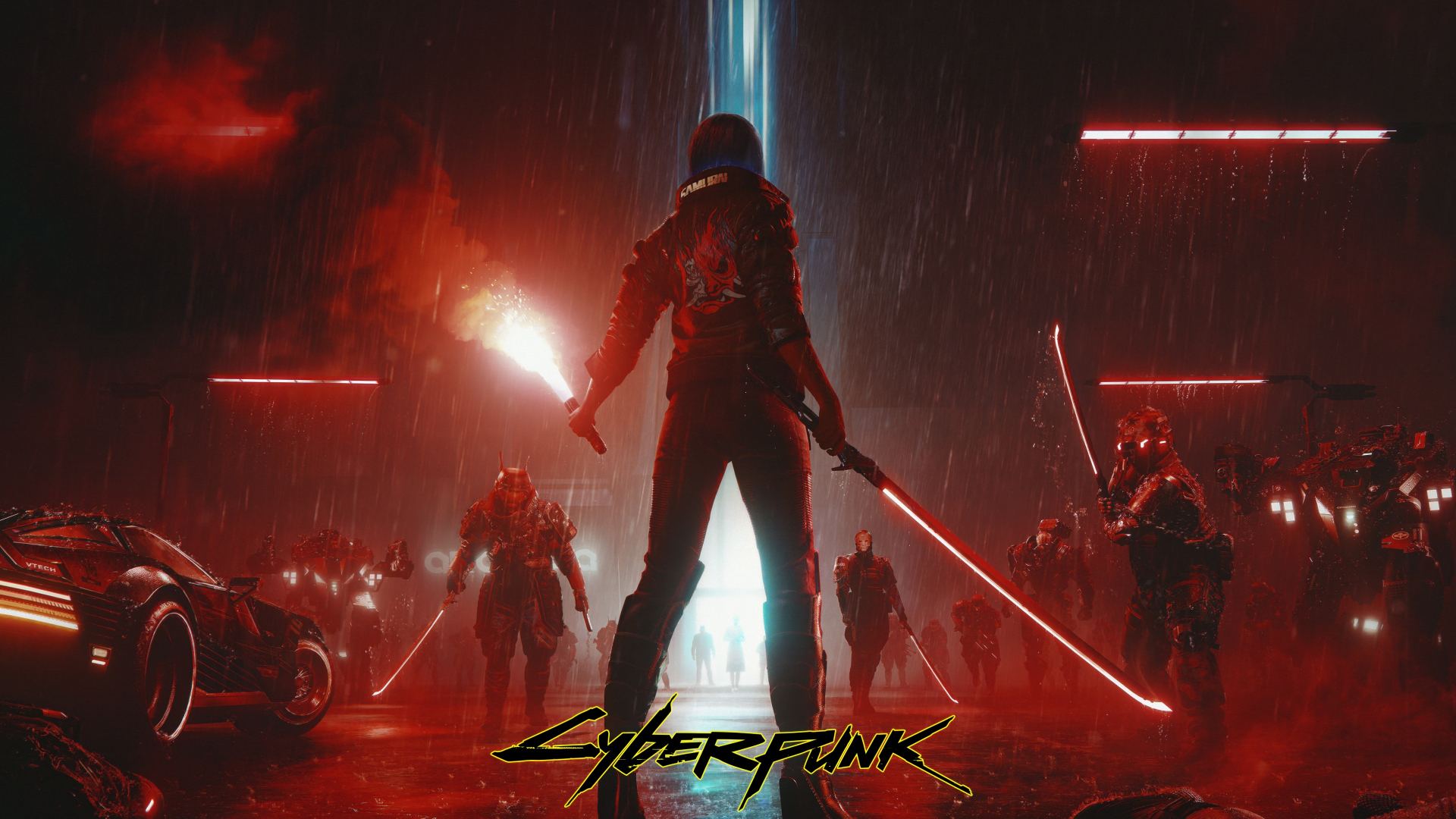
The redemption arc is complete. After its rocky 2020 launch, CD Projekt Red transformed Cyberpunk 2077 into the definitive showcase for next-gen graphics on PC. The Ray Tracing: Overdrive mode introduced full path tracing to a sprawling open world — a first at this scale — and the Phantom Liberty expansion demonstrated what Night City looks like with that technology applied from the ground up. Neon signage reflecting off wet chrome, volumetric smog, dense crowds, interiors lit entirely by simulated bounce light: no other open world matches this density of visual information.
Avatar: Frontiers of Pandora
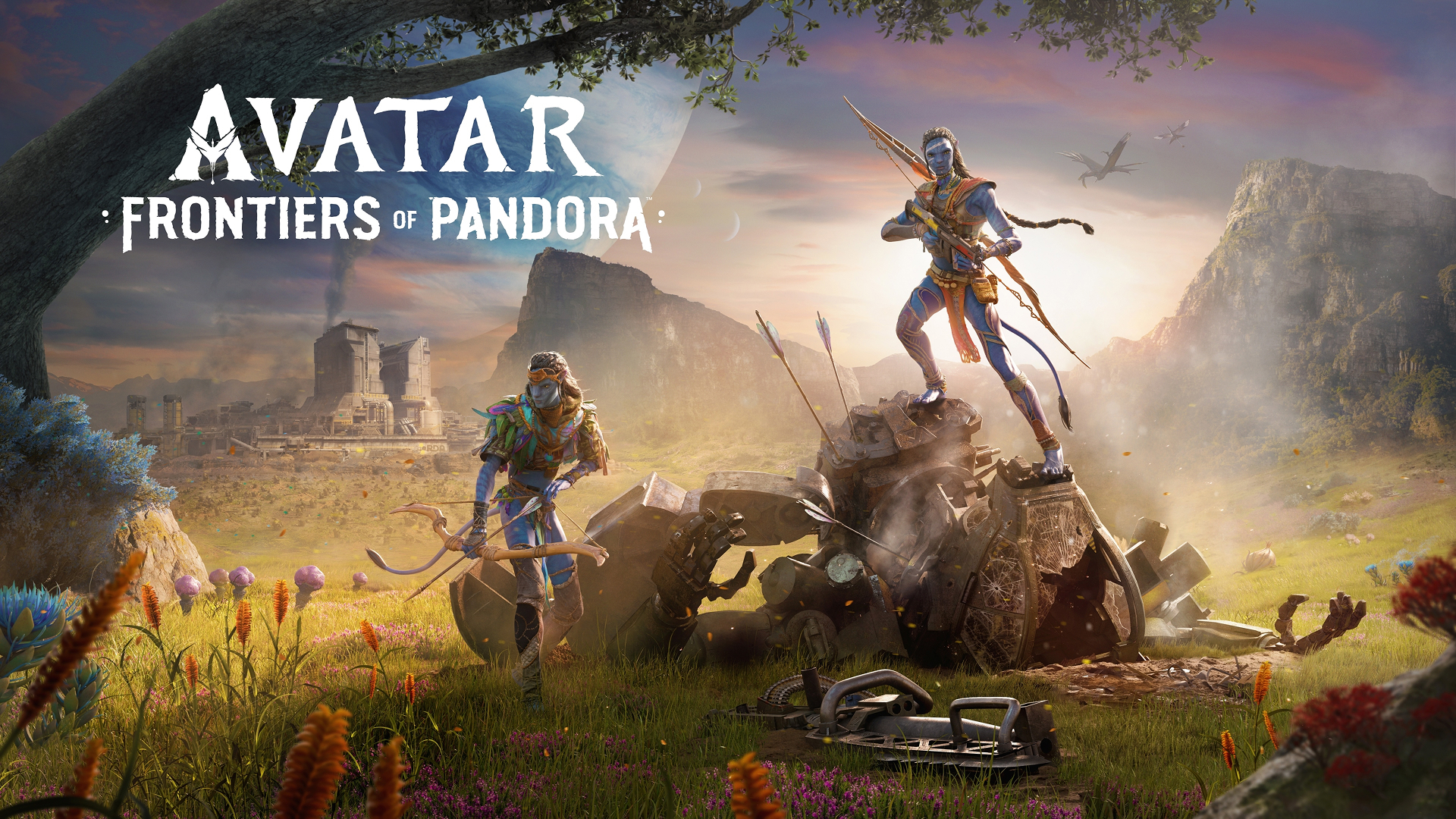
Massive Entertainment’s Snowdrop engine turns Pandora into the most convincing alien ecosystem in gaming. Ray-traced global illumination filters through bioluminescent jungles, foliage reacts to the player’s movement, and the day-night cycle transforms the entire color palette as plants literally light up after dark. It’s a rare case where a licensed game outpaces most original IPs visually — and a reminder that “realistic” and “otherworldly” aren’t opposites when the underlying simulation of light and material is this rigorous.
Black Myth: Wukong
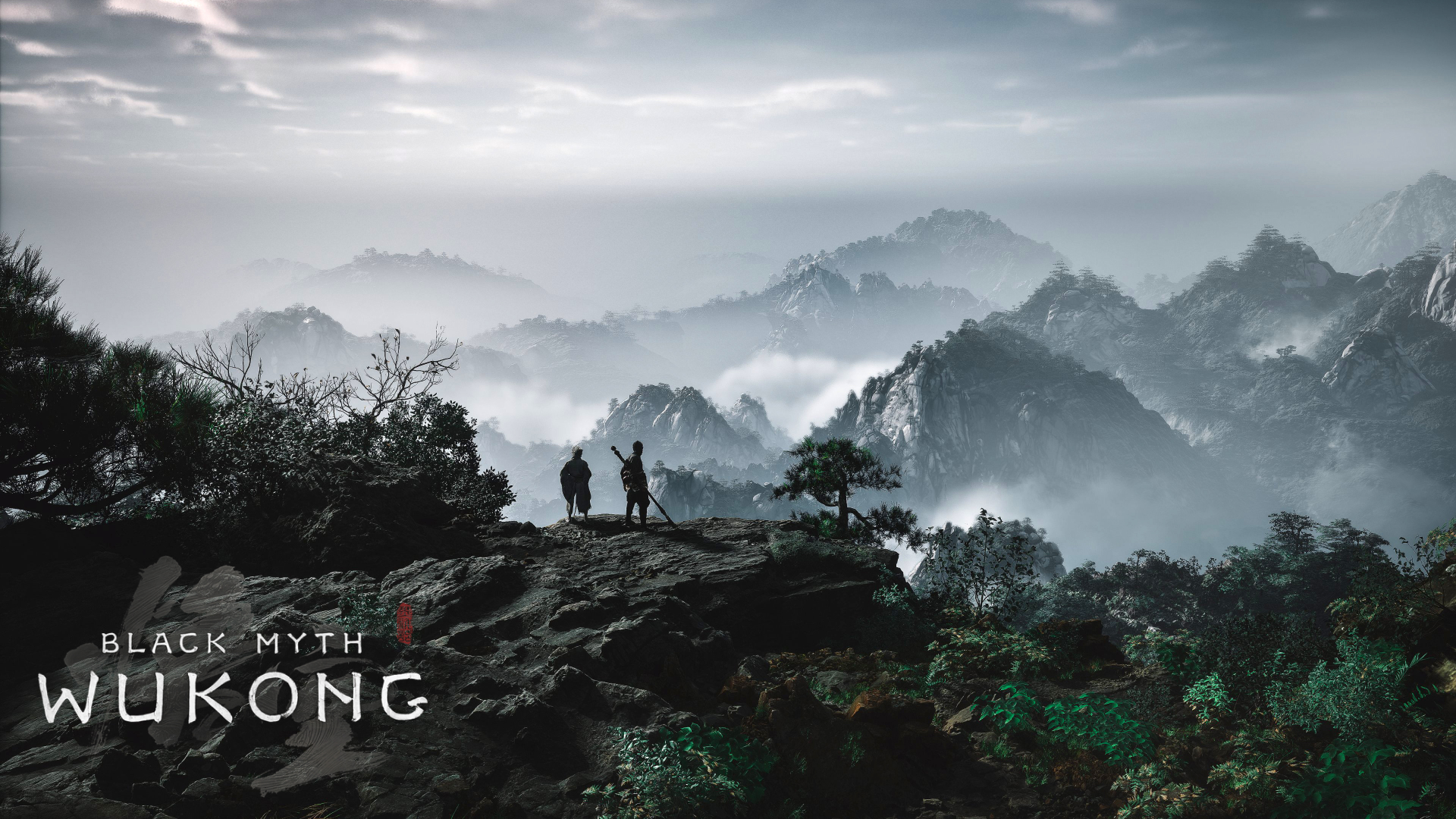
Game Science’s action RPG became a global phenomenon partly on the strength of its visuals. Built in Unreal Engine 5 with Nanite geometry and full path tracing support, it renders ancient Chinese temples, mist-wrapped mountains, and grotesque mythological bosses with staggering detail. The photogrammetry work on real Chinese architectural landmarks gives its environments a texture of authenticity that pure fantasy settings rarely achieve. It’s also proof that visually stunning games are no longer the exclusive domain of Western and Japanese mega-studios.
Kingdom Come: Deliverance II
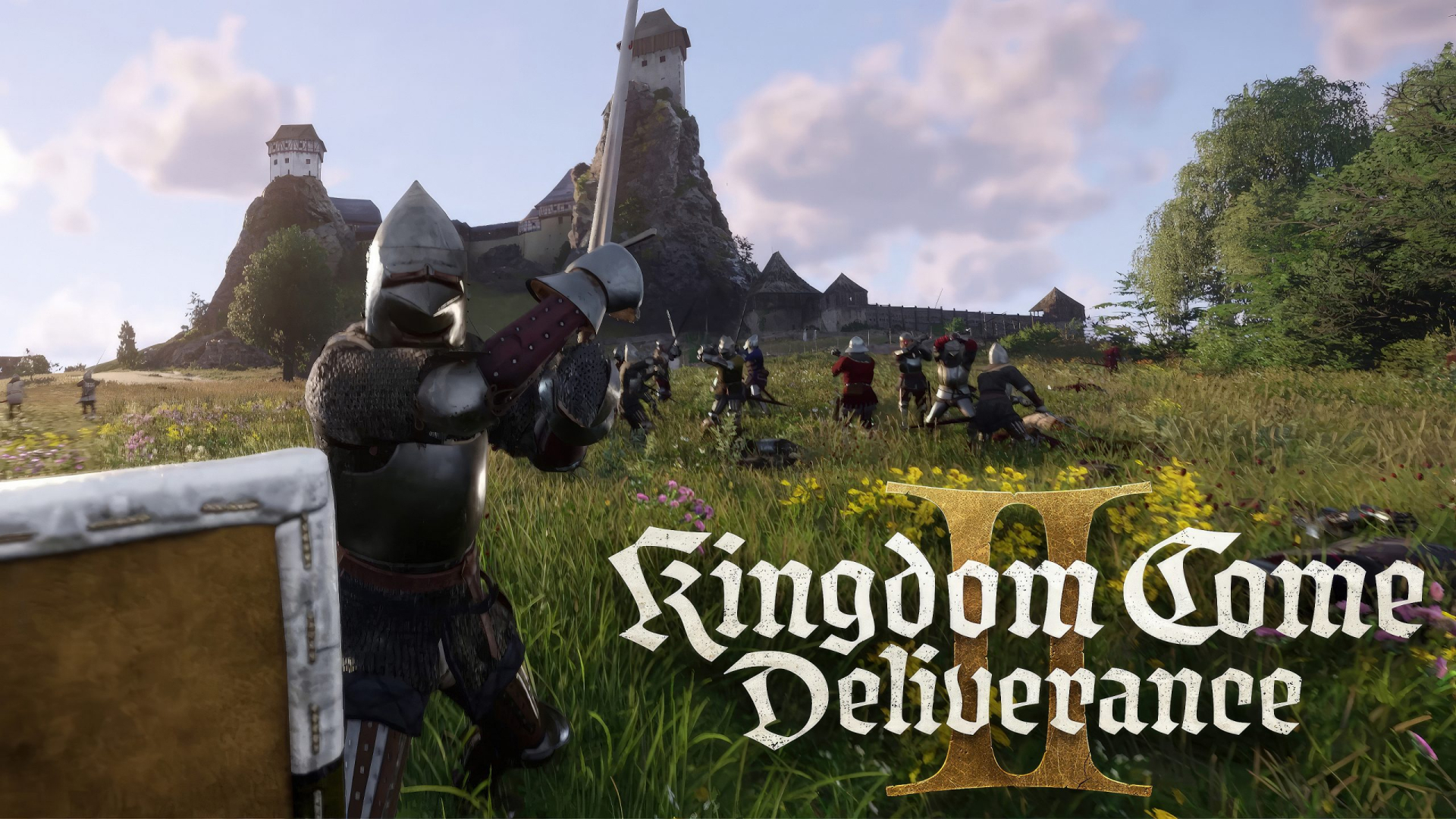
Warhorse Studios took CryEngine — long celebrated for its vegetation and lighting — and pushed it to render 15th-century Bohemia with near-documentary fidelity. There are no dragons here, and that’s the point: the realism comes from historically accurate architecture, costume, and landscape, all lit by one of the most natural-looking day-night and weather systems in the genre. Sunlight through forest canopy, candlelit interiors, mud that looks genuinely miserable to walk through — it’s grounded realism executed at a level few open-world games attempt.
Microsoft Flight Simulator
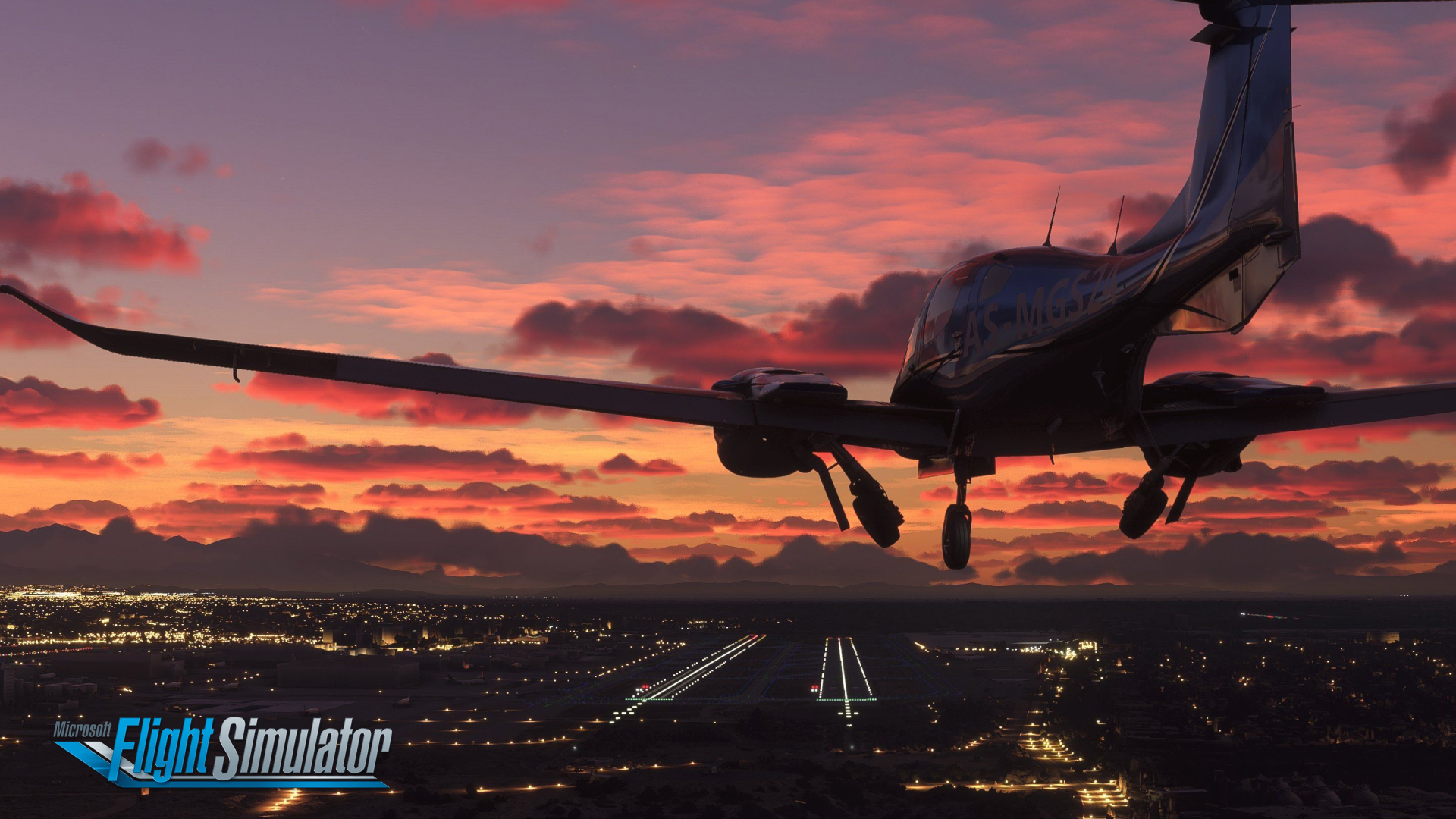
The most ambitious rendering project in gaming, full stop. Asobo Studio streams petabytes of Bing Maps satellite and photogrammetry data to recreate the entire planet, then layers physically simulated volumetric clouds, real-time weather, and seasonal changes on top. The 2024 edition sharpened terrain detail and aircraft interiors further. No other title lets you fly over your own house at dawn through fog that behaves like actual fog. As a demonstration of what cloud-streamed, data-driven game visuals can be, it has no competitor.
The Last of Us Part II Remastered
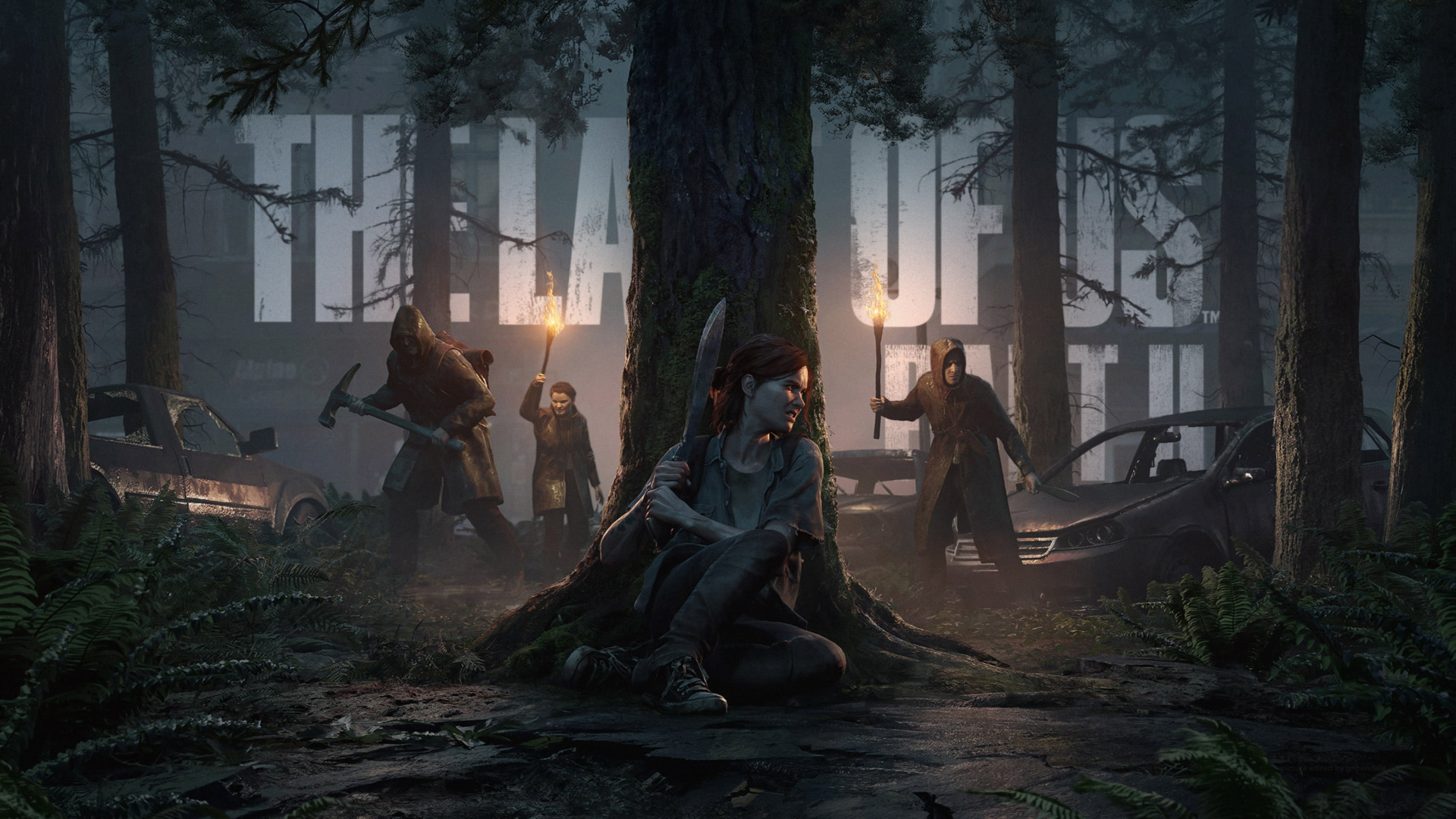
Naughty Dog’s post-apocalyptic epic was already the technical high-water mark of the PS4 era; the PS5 remaster gives it native 4K output and unlocked framerates that reveal just how far ahead the original art was. Its strengths are old-fashioned in the best way — hand-crafted environmental storytelling, industry-leading facial animation, and overgrown Seattle streets where every collapsed storefront feels individually dressed. It remains the benchmark for how animation quality and art density can matter more than raw rendering features.
Red Dead Redemption 2
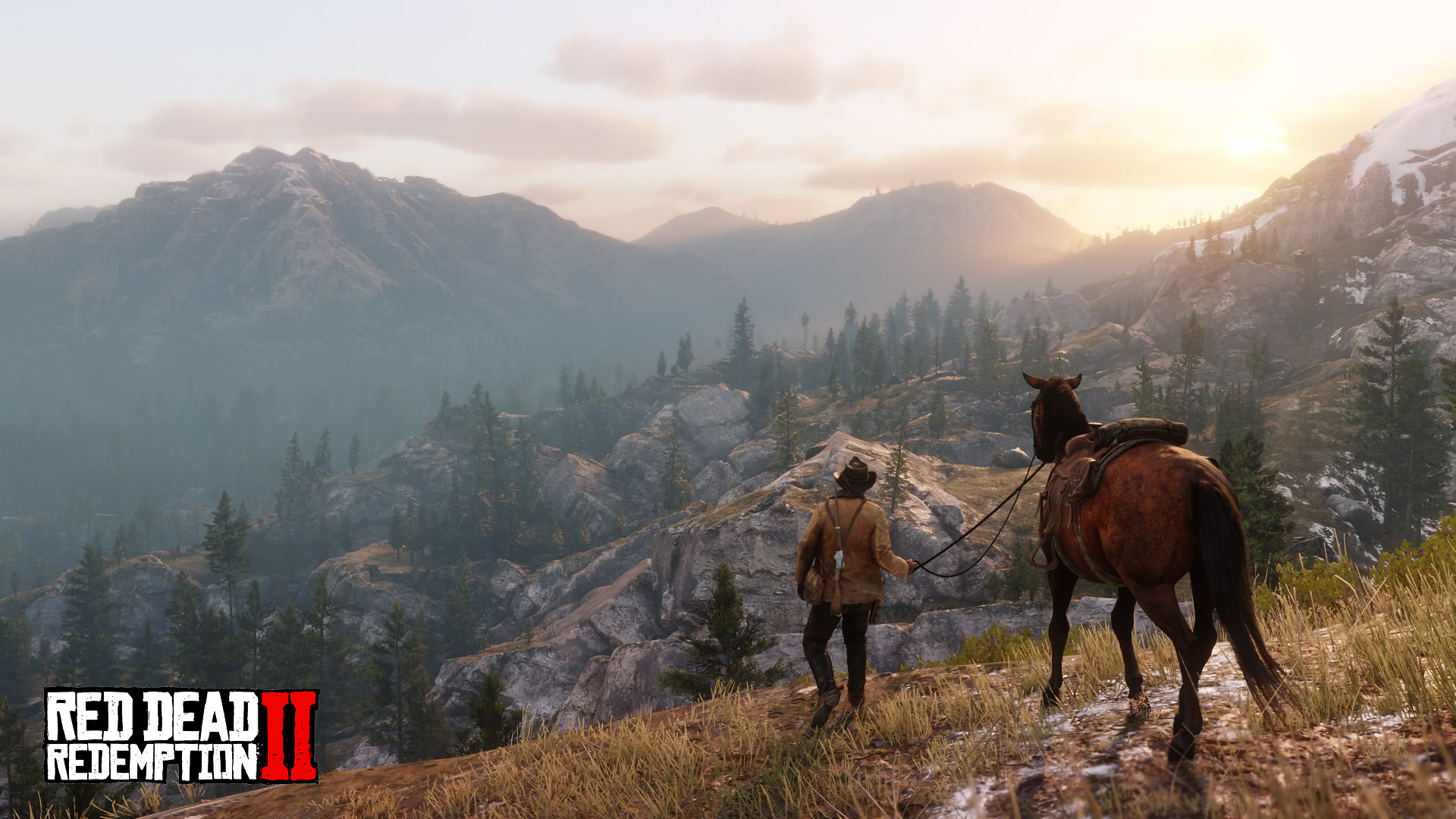
Released in 2018 and still a fixture in every best graphics game ever conversation — that longevity is the achievement. Rockstar’s RAGE engine delivers volumetric clouds, physically simulated mud and snow deformation, and a frontier that transitions from bayou humidity to alpine snowfields without a single visual seam. The game predates hardware ray tracing entirely, which makes its lighting all the more impressive: it’s the strongest argument on this list that artistry and production discipline can outlast technology cycles.
Ghost of Tsushima Director’s Cut
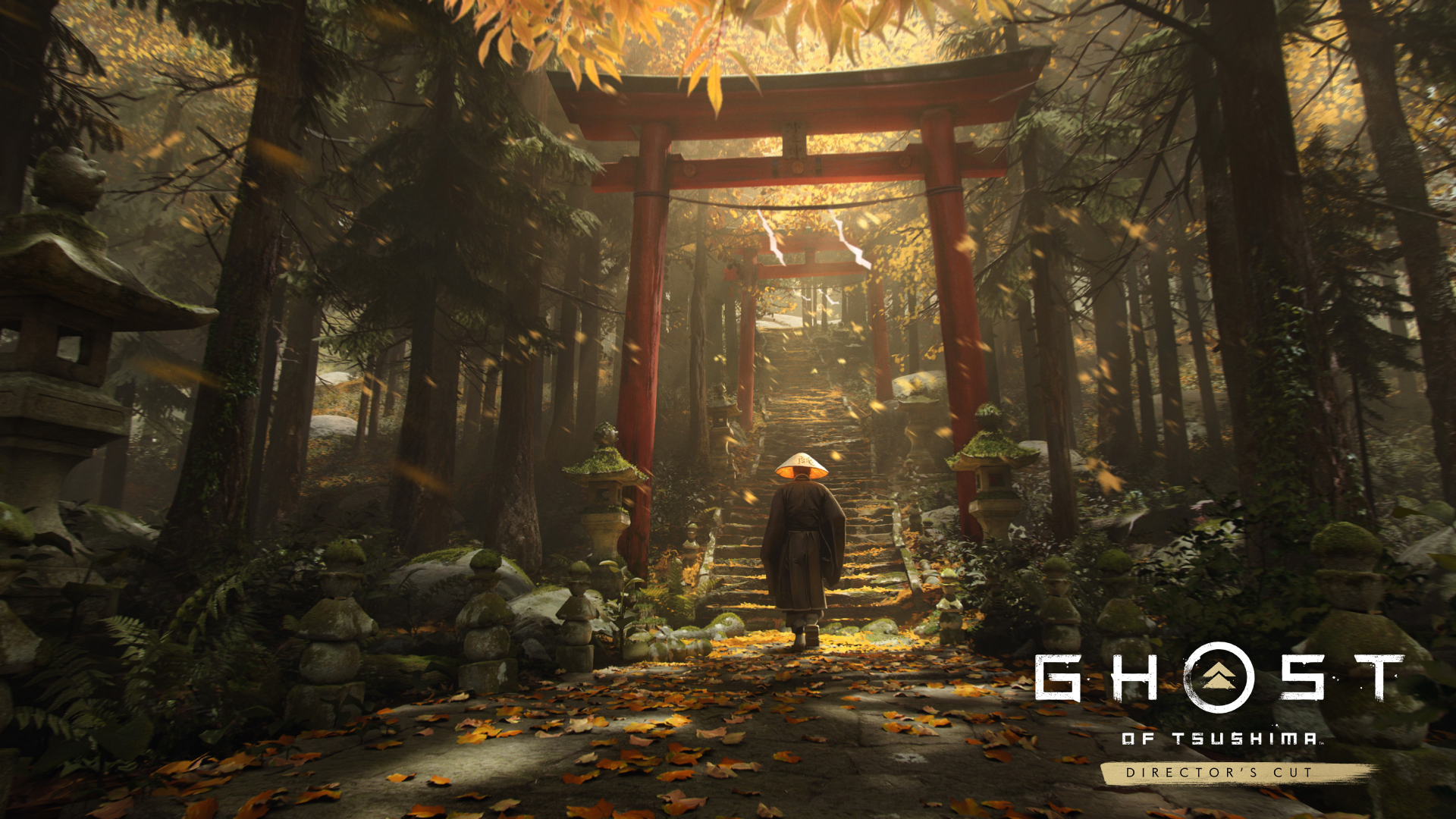
Sucker Punch chose painterly expression over photorealism, and the result is one of the most cinematic video games ever made. Fields of pampas grass bend in wind that also guides the player; maple leaves swirl through duels; the optional Kurosawa mode renders everything in film-grain black and white. The Director’s Cut on PS5 adds 4K resolution, 60 fps, and the lush Iki Island expansion. It’s the definitive case that “best graphics” can mean composition and color theory rather than shader counts.
Horizon Forbidden West
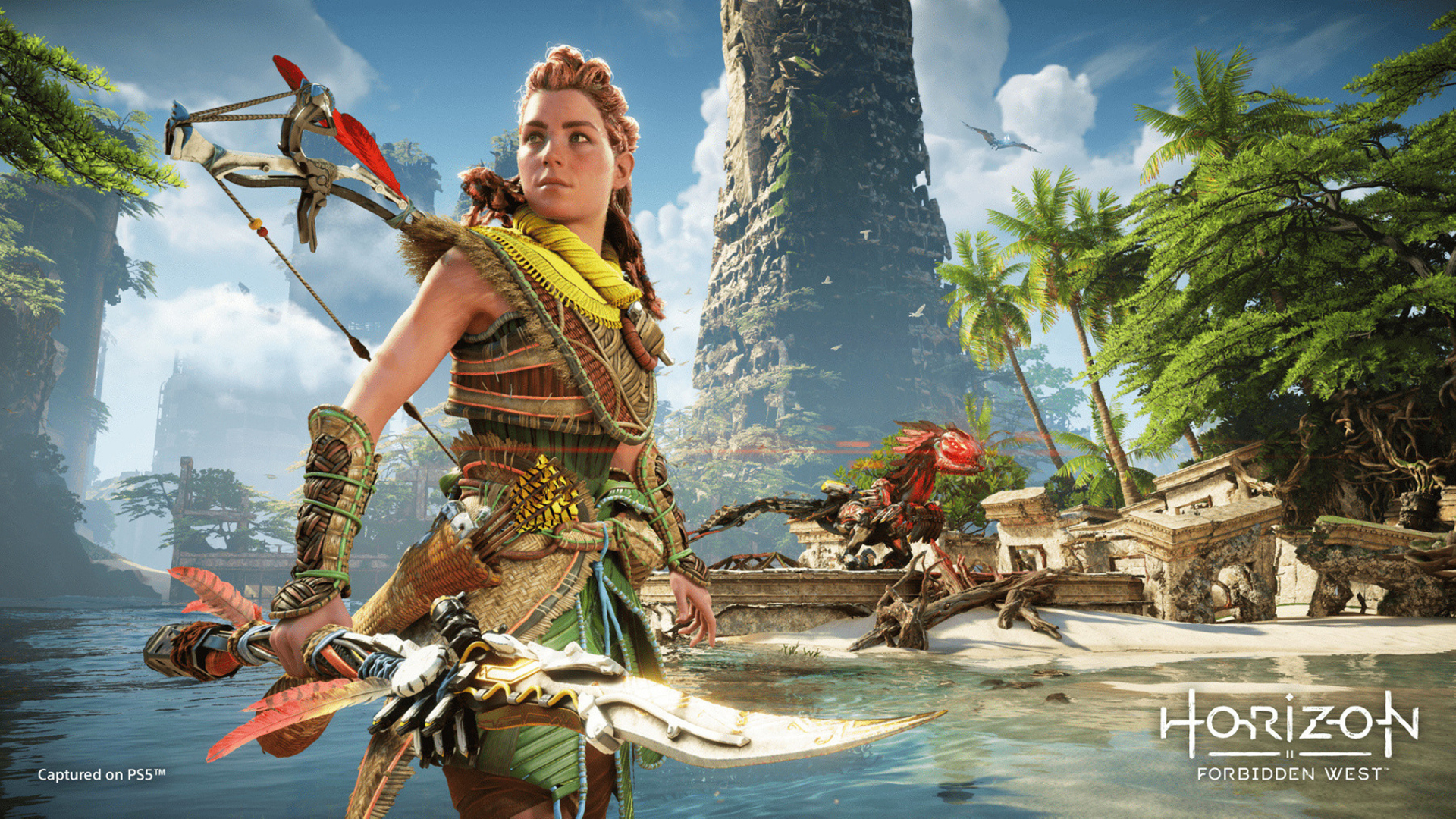
Guerrilla Games’ Decima engine produces what might be the most consistently gorgeous open world on console. Machine dinosaurs with hundreds of articulated, individually damageable parts roam landscapes that stretch from underwater kelp forests to the ruins of San Francisco, all under a cloud system so advanced it borders on atmospheric simulation. The Burning Shores expansion pushed volumetric cloud rendering even further. Character models, foliage density, and water rendering all sit at or near the top of their class.
Indiana Jones and the Great Circle
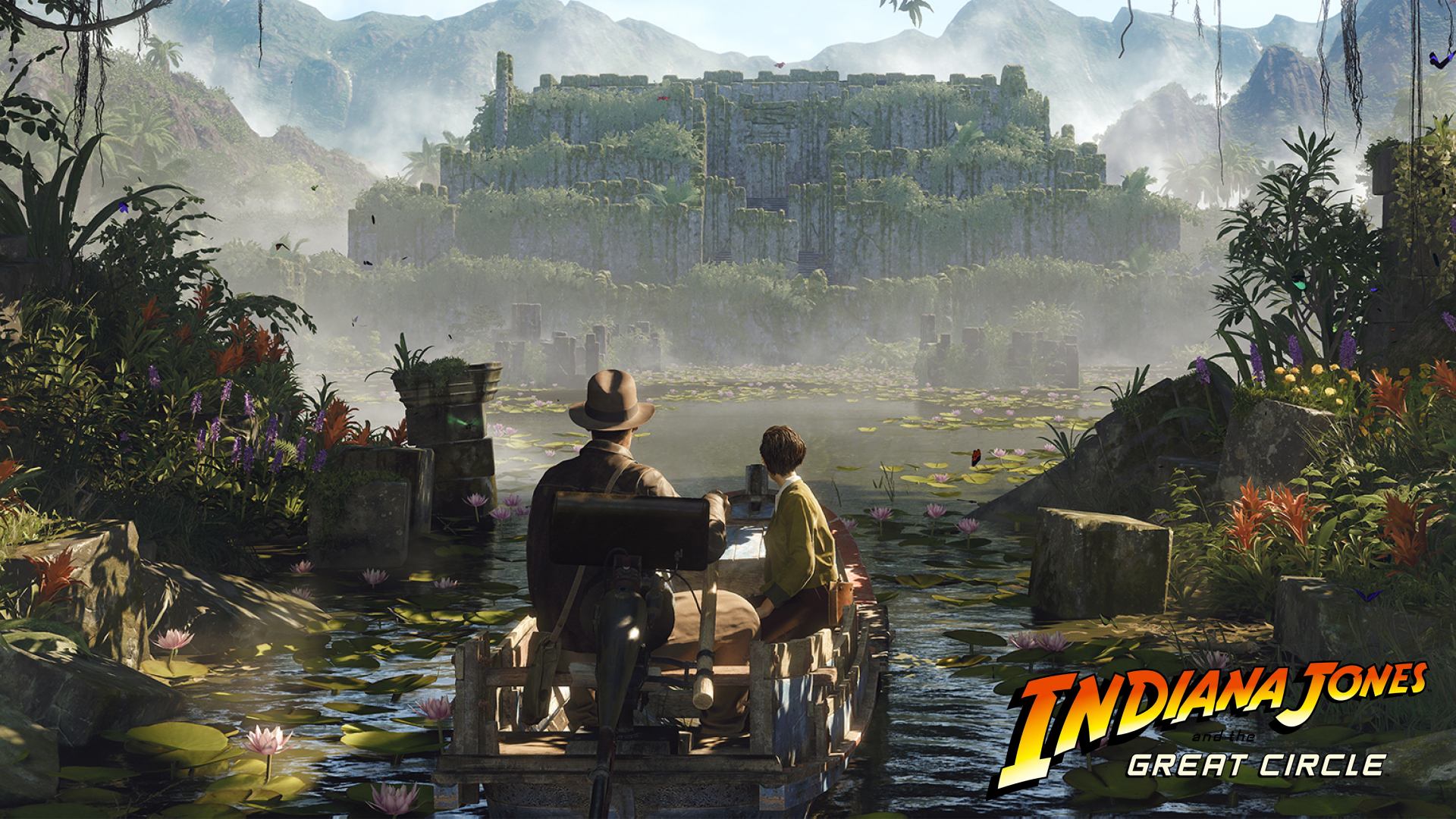
MachineGames made a bold call: ray tracing isn’t optional here, it’s required. Built on idTech, the game uses ray-traced global illumination as its baseline lighting model, with full path tracing available on PC. The payoff is remarkable material response — torchlight crawling across Vatican marble, jungle canopies filtering sunlight in layers — and a digital Harrison Ford likeness that lands on the right side of uncanny. It signals where the industry is heading: ray-traced lighting as the default, not the premium extra.
Assassin’s Creed Shadows
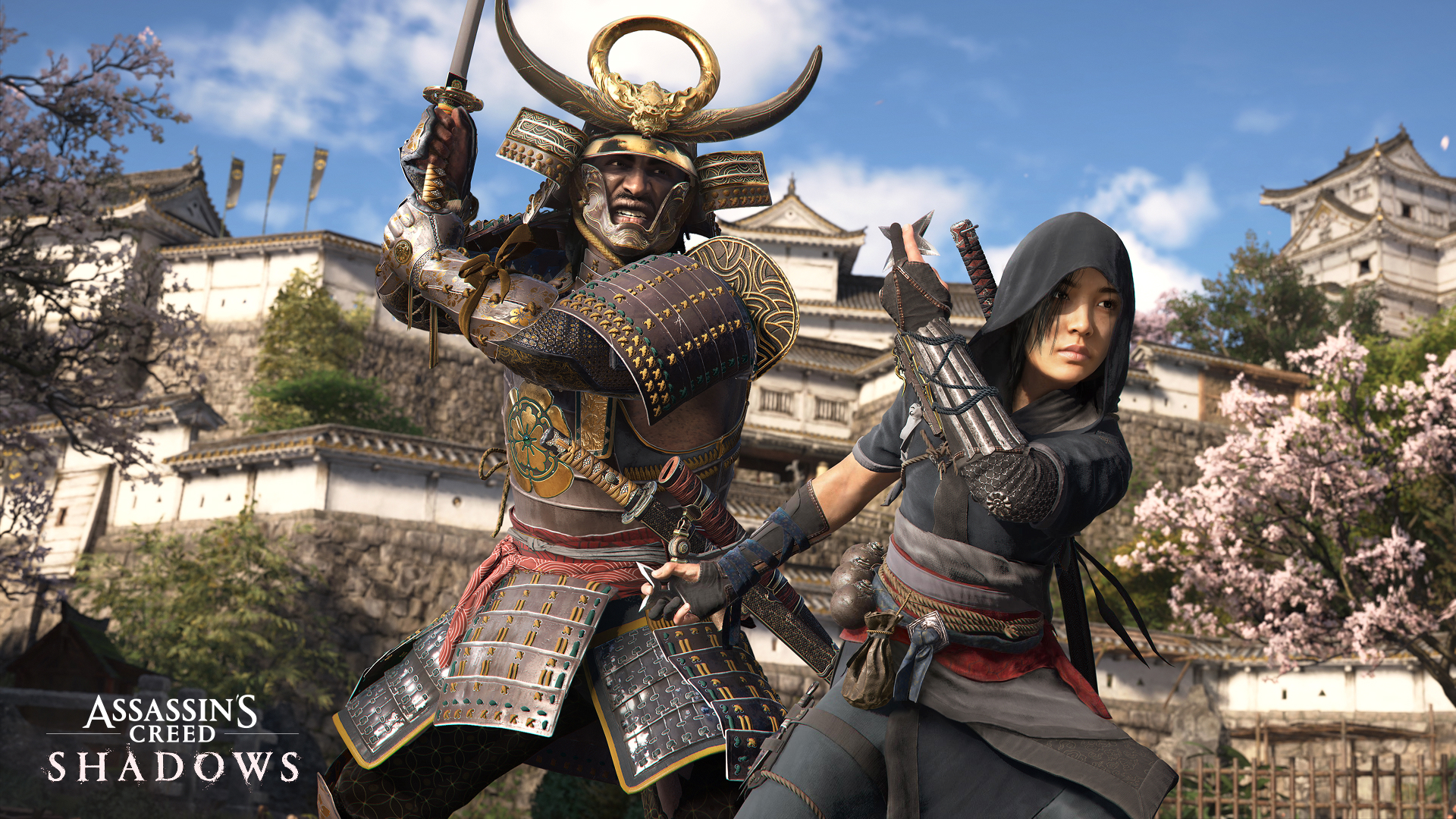
Ubisoft’s feudal Japan entry introduced a dynamic seasons system that changes more than the color palette — snow accumulates and muffles sound, spring rain slicks rooftops, and ray-traced global illumination adapts to it all in real time. The upgraded Anvil engine handles sprawling castle towns and dense forests with a new micro-detail system for geometry. Weather, season, and time of day combine into one of the most atmospheric open worlds Ubisoft has ever shipped, and arguably the best-looking entry in the franchise’s history.
Death Stranding Director’s Cut
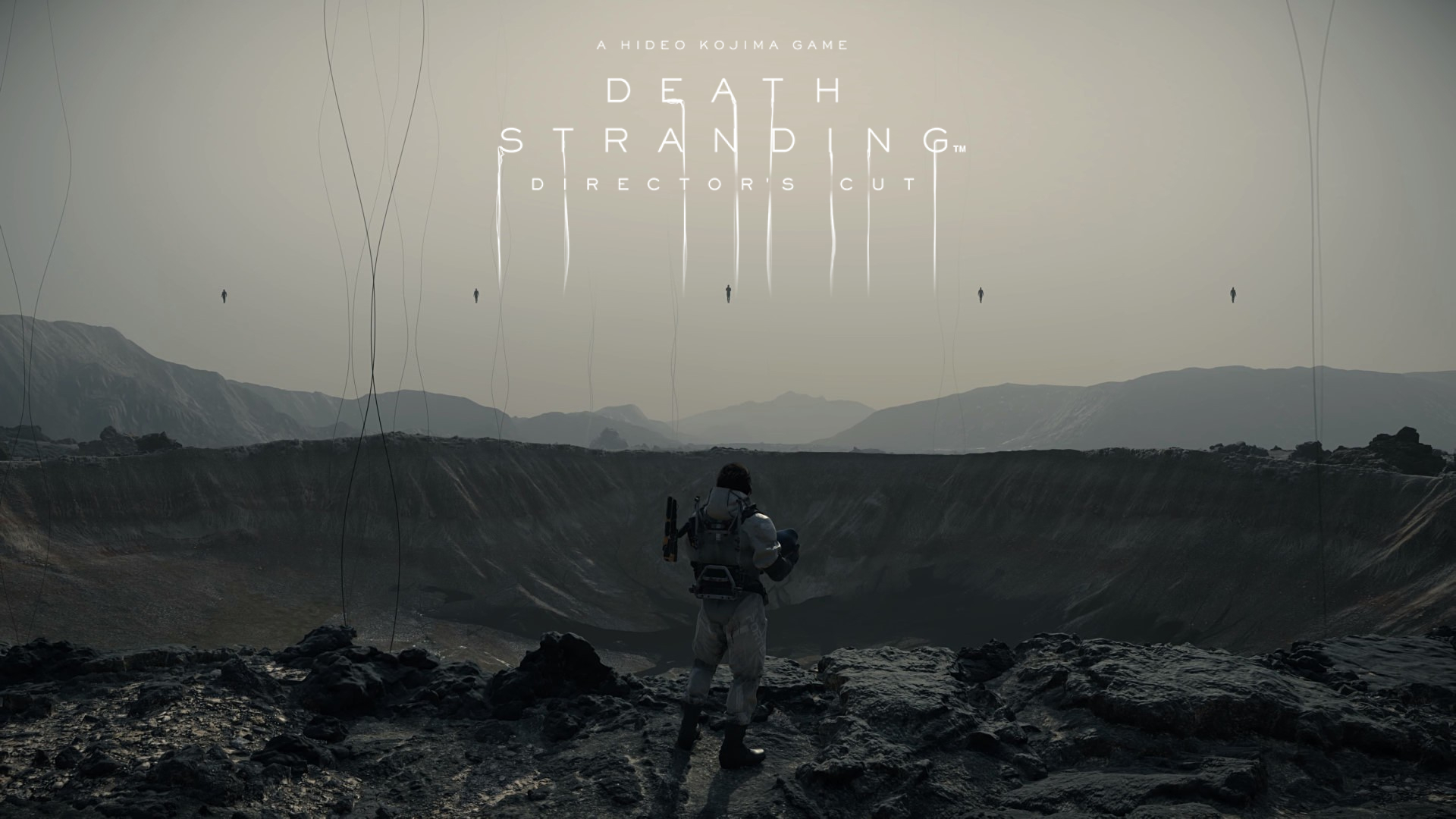
Kojima Productions used the Decima engine to render desolation as art. The game’s post-apocalyptic America — actually scanned from Icelandic terrain — is composed of moss, basalt, and rain-heavy skies that turn every delivery route into a landscape painting. Character work is equally strong, with Norman Reedus, Léa Seydoux, and Mads Mikkelsen rendered through some of the best facial capture of the era. The Director’s Cut sharpens it all in 4K. Few games make emptiness this beautiful.
Star Wars Outlaws
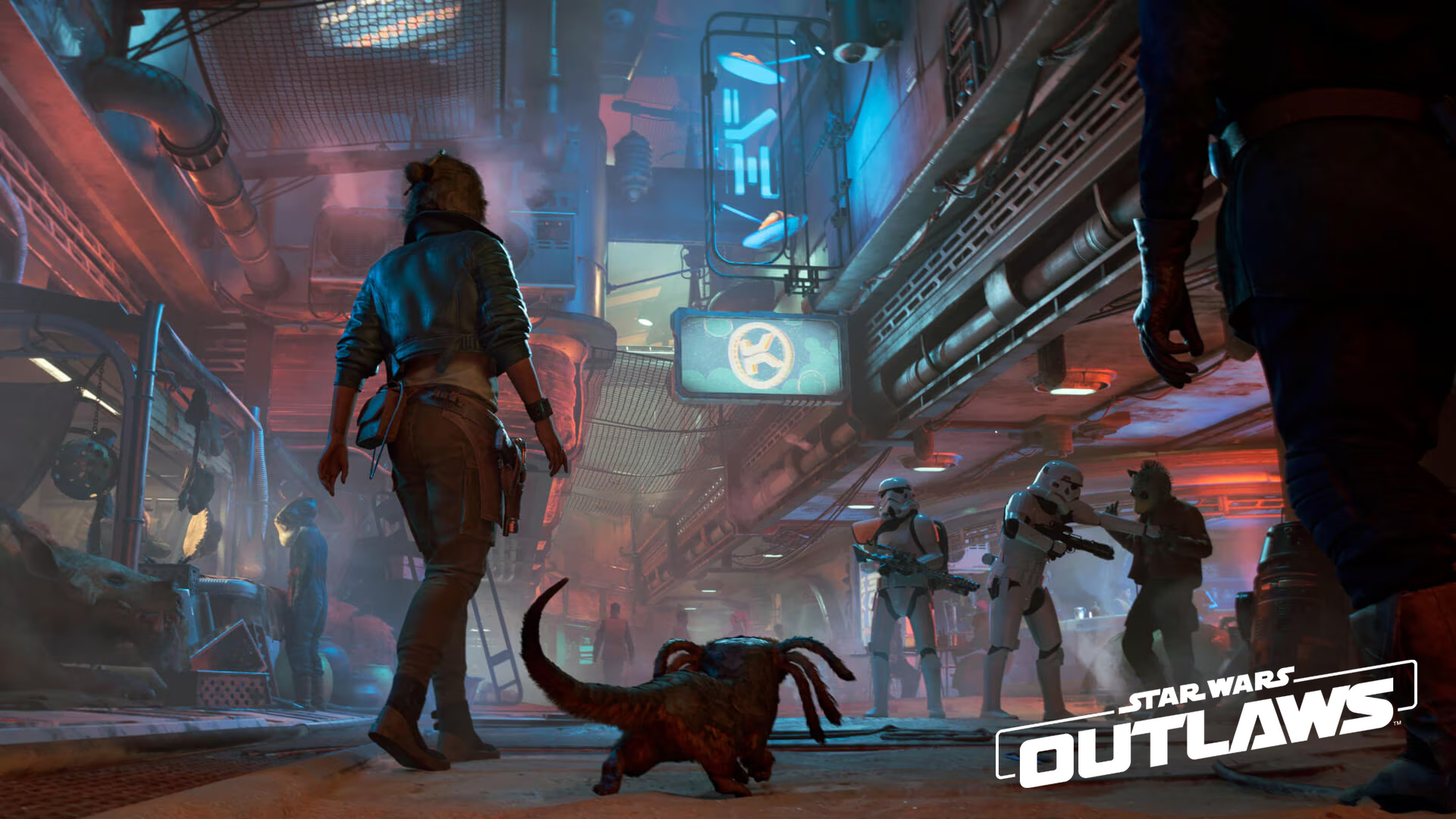
Massive Entertainment’s second entry on this list applies the Snowdrop engine’s ray-traced lighting to a galaxy far, far away — and nails the “used future” aesthetic that defines the original films. Cantina interiors glow with practical-style lighting, dust hangs in the air of Tatooine-like Toshara, and RTX Direct Illumination on PC pushes light and shadow quality further still. It’s the first open-world Star Wars game, and visually it delivers exactly the lived-in, grimy authenticity fans expect from the franchise.
Graphics Comparison Table
| Game | Year | Engine | Platforms | Visual signature |
| Alan Wake 2 | 2023 | Northlight | PC, PS5, XSX | Path tracing, cinematic horror lighting |
| Senua’s Saga: Hellblade II | 2024 | Unreal Engine 5 | PC, XSX, PS5 | Photorealistic faces, photogrammetry |
| Cyberpunk 2077 | 2020 (Overdrive 2023) | REDengine 4 | PC, PS5, XSX | Full path tracing in an open world |
| Avatar: Frontiers of Pandora | 2023 | Snowdrop | PC, PS5, XSX | Ray-traced alien ecosystem |
| Black Myth: Wukong | 2024 | Unreal Engine 5 | PC, PS5, XSX | Nanite geometry, path tracing |
| Kingdom Come: Deliverance II | 2025 | CryEngine | PC, PS5, XSX | Historical realism, natural lighting |
| Microsoft Flight Simulator | 2020 / 2024 | Asobo in-house | PC, XSX | Planet-scale photogrammetry, volumetric weather |
| The Last of Us Part II Remastered | 2024 | Naughty Dog engine | PS5, PC | Facial animation, environmental density |
| Red Dead Redemption 2 | 2018 | RAGE | PC, PS4/5, Xbox | Timeless art direction, simulation detail |
| Ghost of Tsushima Director’s Cut | 2021 | Sucker Punch engine | PS5, PC | Painterly composition, dynamic wind |
| Horizon Forbidden West | 2022 | Decima | PS4/5, PC | Cloud rendering, machine detail |
| Indiana Jones and the Great Circle | 2024 | idTech | PC, XSX, PS5 | Mandatory ray-traced global illumination |
| Assassin’s Creed Shadows | 2025 | Anvil | PC, PS5, XSX | Dynamic seasons, RTGI |
| Death Stranding Director’s Cut | 2021 | Decima | PS5, PC | Scanned terrain, atmospheric desolation |
| Star Wars Outlaws | 2024 | Snowdrop | PC, PS5, XSX | Ray-traced “used future” lighting |
Final Thoughts: Great Graphics Are Built, Not Rendered
If this list proves anything, it’s that the best-looking games win through craft, not just compute. Path tracing made Night City breathtaking, but artists placed every neon sign. Unreal Engine 5 gave Hellblade II its canvas, but performance capture and hand-tuned materials gave Senua her soul. Technology sets the ceiling; art determines how close a game gets to it.
That’s worth remembering for any studio planning its next title. Players now walk into every new release calibrated by the fifteen games above, which means visual quality is no longer a differentiator — it’s the entry fee. Meeting that bar doesn’t require an in-house team of hundreds, but it does require senior-level art production: consistent PBR pipelines, optimized high-fidelity assets, and characters that survive close-ups.
This is exactly where Stepico works. As a game development and art outsourcing studio, we’ve spent over a decade helping teams ship visuals that compete at this level — from full-cycle 3D game art services covering environments, props, and stylized or realistic pipelines, to character work that holds up next to the titles on this list. Whether you’re scaling an existing art team or building a vertical slice that needs to look next-gen from frame one, we can plug in at any stage of production.
The question “what game has the best graphics” will have a new answer next year, and the year after that. The studios answering it will be the ones that treat art as seriously as technology. If that’s the kind of game you’re building, let’s talk.
FAQ
What game has the best graphics right now?
There’s no single winner, but the most common answers among critics and players are Alan Wake 2 (most advanced rendering), Senua’s Saga: Hellblade II (most photorealistic characters), and Cyberpunk 2077 with path tracing (most impressive open world). Red Dead Redemption 2 remains the benchmark for art direction that ages gracefully.
What’s the difference between ray tracing and path tracing?
Ray tracing simulates specific lighting effects — usually reflections, shadows, or global illumination — while the rest of the scene uses traditional rasterization. Path tracing simulates essentially all lighting by tracing light paths through the whole scene, producing film-quality results at a much higher performance cost. Cyberpunk 2077, Alan Wake 2, and Black Myth: Wukong offer full path tracing on PC.
Do good graphics require a high-end PC?
Not necessarily. Console versions of every game on this list look excellent, because developers optimize for fixed hardware. A high-end GPU only becomes essential for path tracing and 4K at high framerates. Upscaling technologies like DLSS and FSR also let mid-range hardware run high graphics games at settings that were impossible a few years ago.
Are realistic graphics always better than stylized ones?
No — they’re different goals. Photorealism dates quickly as technology advances, while strong stylized art direction (Ghost of Tsushima is the classic example) can stay beautiful for a decade or more. Many of the most beloved games with beautiful graphics are stylized, not realistic.
What matters more for game visuals: the engine or the art team?
The art team, by a wide margin. Engines like Unreal Engine 5 provide powerful tools, but identical technology produces wildly different results depending on the artists using it. Character modeling, texturing, lighting design, and animation are craft disciplines — the engine is only the instrument.