
PC players expect flexibility, stable performance, and support across a wide range of hardware configurations. We handle graphics and UI scaling across platforms, input customization, storefront integrations, and frame rate optimization to ensure your game feels native on desktop.
Stepico
Game Porting Services
Expand your audience without putting your live roadmap on hold. As a game porting studio, Stepico can help you bring existing titles to new platforms while keeping gameplay stable, performance polished, and your internal team focused on what’s next.
Expand your audience without putting your live roadmap on hold. As a game porting studio, Stepico can help you bring existing titles to new platforms while keeping gameplay stable, performance polished, and your internal team focused on what’s next.
Platforms We Port To
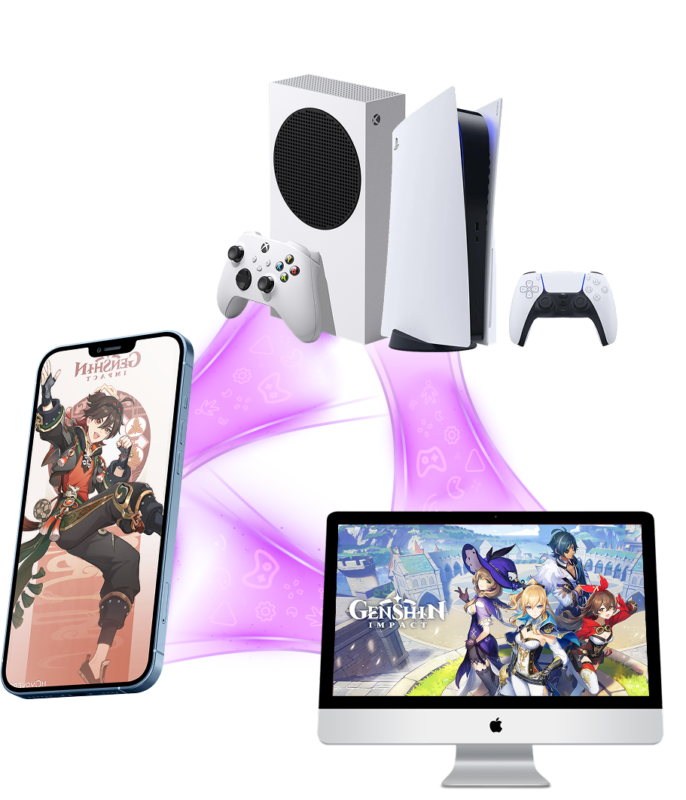
Our video game porting team helps studios adapt existing titles for the technical, performance, and player-experience expectations of each platform — without treating every port like a copy-paste job.

PC

Mobile (iOS/Android)
Successful game porting to mobile means more than shrinking controls onto a touchscreen. We adapt gameplay loops, optimize performance for different devices, refine UI readability, and implement mobile-specific SDKs, monetization systems, and input redesigns where needed. We also handle App Store/Apple Arcade and Google Play compliance to reduce approval friction and submission delays.

PlayStation
PlayStation players notice performance inconsistencies and platform UX issues quickly, especially in premium titles. We handle SDK integration, Trophy support, adaptive triggers and haptic feedback implementation, save system handling, platform-specific optimization, and full certification & submission preparation for PS4 and PS5.

Xbox
Xbox ecosystems require smooth compatibility across console generations, resolutions, and controller environments. We handle codebase adaptation for new platforms, multiplayer integration support, and performance balancing for both Series X|S and legacy hardware targets.

Nintendo Switch
Switch porting requires aggressive optimization without sacrificing gameplay feel or visual readability. Our team focuses on memory management, controller and input system adaptation, handheld performance stability, and certification compliance for consoles.

Steam Deck
Steam Deck players expect console-like comfort from PC-native games. We optimize controller support, UI legibility, battery-aware performance settings, and Linux compatibility to improve the handheld experience without compromising your core gameplay systems.

Mac
Mac ports often require additional rendering adjustments, API and SDK integration for platforms, and hardware-specific optimization. We help games run smoothly across Apple devices while maintaining visual consistency and stable performance.

AR / VR
AR/VR porting demands stable frame rates, low-latency input response, and interaction systems that feel natural inside immersive environments. We adapt controls, UI, rendering pipelines, and platform SDK integrations for Meta Quest, SteamVR, and PlayStation VR while optimizing comfort, tracking stability, and device performance.

Cross-Engine Migration
When porting a game to another engine, the challenge is preserving gameplay behavior while rebuilding technical foundations. Stepico supports engine migration support (Unity to Unreal), system recreation, asset adaptation, and platform migration for games with minimal disruption to ongoing production.
Our Game Porting Solutions
Whether porting processing game to Unity, Unreal or any other engine or device, Stepico can handle a wide framework of services. See how we can be of service:
Full-Cycle Game Porting
We handle the entire game porting process from technical assessment to release preparation, helping studios adapt existing titles for PC, console, mobile, handheld, and emerging platforms. Stepico works as an extension of your team, reducing production overhead while keeping your core roadmap moving.
Game Testing
A port should feel stable and native on every platform it launches on. Our QA team tests gameplay, UI behavior, performance, save systems, and platform-specific functionality across different hardware configurations to catch issues before they affect player reviews or certification outcomes.
Memory Management & Performance Optimization
Different platforms place very different demands on memory usage, loading behavior, and rendering stability. Stepico’s game porting developers optimize asset streaming, memory allocation, CPU/GPU workload, and frame rate stability to reduce crashes, stutters, and platform-specific performance bottlenecks.
Controls & Input Adaptation
Gameplay should feel intuitive whether players use a controller, keyboard and mouse, touchscreen, or VR input system. We redesign and fine-tune control schemes for different devices, ensuring responsive interaction, platform-native usability, and smooth gameplay across all supported input environments.
Certification & Compliance Support
Certification failures can delay launches for weeks or even months if platform requirements are overlooked too late. We help studios prepare for console certification compliance with platform-specific implementation support, technical validation, save handling checks, storefront readiness, and submission assistance.
Porting Feasibility & Technical Assessment
Not every game should be ported the same way — or to every platform. Before production begins, we evaluate technical constraints, platform-market fit, performance risks, input adaptation complexity, and production scope to help studios make smarter platform expansion decisions.
Choose Stepico as Your Game Porting Partner
Our game porting services help studios expand to new platforms without destabilizing production, damaging player experience, or overloading internal teams.

Don’t Let Technical Debt Control Your Platform Expansion
Many games were never built for cross-platform deployment, which makes adaptation risky before development even starts. Stepico restructures systems, rendering pipelines, and platform-specific features in a way that supports long-term scalability instead of creating more maintenance problems after launch.

Expand to New Platforms Without Overloading Your Team
Porting can quietly absorb senior engineers, tech leads, and production bandwidth for months. Stepico works as an external partner that takes ownership of platform adaptation while your internal team stays focused on live operations, roadmap priorities, and future content.

Ship a Port Players Won’t Complain About
Players immediately notice unstable frame rates, awkward controls, poor UI scaling, and platform-specific bugs. We optimize gameplay feel, input responsiveness, and device-specific performance so the experience feels natural on every target platform instead of “ported.”

Reduce Engine Migration Risk Before It Spreads
Engine migration projects often create instability across gameplay systems, tools, shaders, plugins, and UI behavior. Our team approaches migration through staged implementation and technical refactoring that preserve gameplay consistency while reducing production disruption.

Avoid Certification Delays Late in Production
Certification issues usually appear through small platform-specific inconsistencies that become expensive close to launch. We help studios prepare builds, validate platform requirements, and resolve compliance concerns earlier to reduce approval friction and submission delays.

Optimize for Real Hardware, Not Just Internal Builds
A game that performs well internally can still struggle badly across real target devices. Stepico tests and optimizes memory usage, loading behavior, frame pacing, and platform responsiveness across consoles, PC, handhelds, and mobile hardware to improve actual player experience.
Stepico’s Game Porting Pipeline
Stepico’s Game Porting Pipeline
Our video game porting pipeline is designed to reduce technical surprises early, keep production predictable, and help your game feel native on every target platform.
1. Porting Feasibility & Platform Assessment
Before development begins, we evaluate platform-market fit, technical risks, engine limitations, performance expectations, and input adaptation complexity. This helps determine whether the target platform makes sense commercially and technically before production resources are heavily committed.
2. Codebase & Architecture Review
Our team analyzes the existing project structure, rendering pipeline, third-party dependencies, backend integrations, and platform-specific systems. Early identification of technical debt and fragile systems helps reduce costly rework later in the porting process.
3. Platform Adaptation & Core Integration
We begin adapting the game for the target platform, including SDK integration, rendering adjustments, save systems, input mapping, storefront services, and platform-native functionality. The goal is to preserve gameplay consistency while making the experience feel natural on the new device.
4. Controls, UI & UX Optimization
Different platforms require different interaction logic, screen behavior, and usability standards. We redesign controls, optimize UI scaling, refine navigation flows, and adjust gameplay readability for controllers, touchscreens, handhelds, keyboard/mouse, or VR environments.
5. Performance Optimization
Porting exposes bottlenecks that may never have appeared on the original platform. Stepico optimizes memory usage, frame pacing, loading times, rendering behavior, and platform-specific performance constraints to improve gameplay stability across real hardware conditions.
6. Multiplayer & Backend Adaptation
For online games, we adapt backend systems, matchmaking, account services, cloud saves, and multiplayer synchronization for stable cross-platform functionality. This stage helps prevent progression inconsistencies, desync issues, and platform ecosystem conflicts after launch.
7. QA & Compatibility Testing
Our QA team performs platform-specific testing across different hardware environments, resolutions, controller setups, and gameplay scenarios. We validate stability, gameplay consistency, certification requirements, and overall player experience before submission.
8. Certification & Release Support
We prepare builds for console and storefront submission, resolve compliance issues, and support certification processes for PlayStation, Xbox, Nintendo, mobile marketplaces, and PC platforms. After approval, we help ensure a smoother launch transition with post-release technical support if needed.
Frequently Asked Questions
How long does game porting usually take?
The timeline depends on the target platform, engine architecture, multiplayer complexity, and how optimized the original build already is. A straightforward PC-to-console adaptation may take a few months, while projects involving engine migration support, backend restructuring, or platform-specific optimization can take significantly longer. Early technical assessment helps identify risks before they grow into production delays.
Can you help with porting a game to another engine?
Yes — Stepico supports projects involving porting a game to another engine, including Unity-to-Unreal migration workflows. We evaluate gameplay systems, rendering behavior, tools, plugins, UI logic, and platform dependencies to reduce instability during transition. The goal is to preserve gameplay consistency while improving scalability and long-term maintainability.
What platforms do you support for game porting?
Our team supports game porting to console, PC, mobile, handheld, AR/VR, and cross-platform ecosystems. This includes PlayStation, Xbox, Nintendo Switch, Steam Deck, iOS, Android, Mac, Meta Quest, and other platform environments with platform-specific optimization and compliance requirements.
How do you handle performance optimization during porting?
Different platforms expose different bottlenecks, even if the original game performs well internally. Stepico optimizes memory usage, rendering behavior, frame pacing, loading times, controller responsiveness, and hardware-specific limitations to improve stability across real devices. We also perform game compatibility testing to validate performance under platform-specific conditions.
Can your team help with certification and platform approval?
Yes — certification compliance for consoles is integrated into our porting workflow from the early stages of development. We help prepare builds for submission, validate platform requirements, resolve compliance issues, and support approval processes for Sony, Microsoft, Nintendo, Google Play, and App Store ecosystems.
