
MMORPGs have survived every trend cycle in gaming for one simple reason — no other genre creates the same sense of long-term progression, social identity, and shared virtual worlds. In 2026, the genre is more diverse than ever. Some players want hardcore raids and guild politics, others prefer relaxed exploration, life skills, PvP economies, or cross-platform accessibility.
The best MMORPG 2026 lineup reflects that variety. Today’s leading MMO titles are no longer competing only on graphics or combat systems. They compete on retention, content cadence, community tools, monetization balance, and how alive their worlds feel over time.
From legendary veterans like World of Warcraft and Final Fantasy XIV to newer entries like Throne and Liberty, this guide breaks down the top MMORPGs, what makes each one stand out, and which types of players they serve best.
Final Fantasy XIV
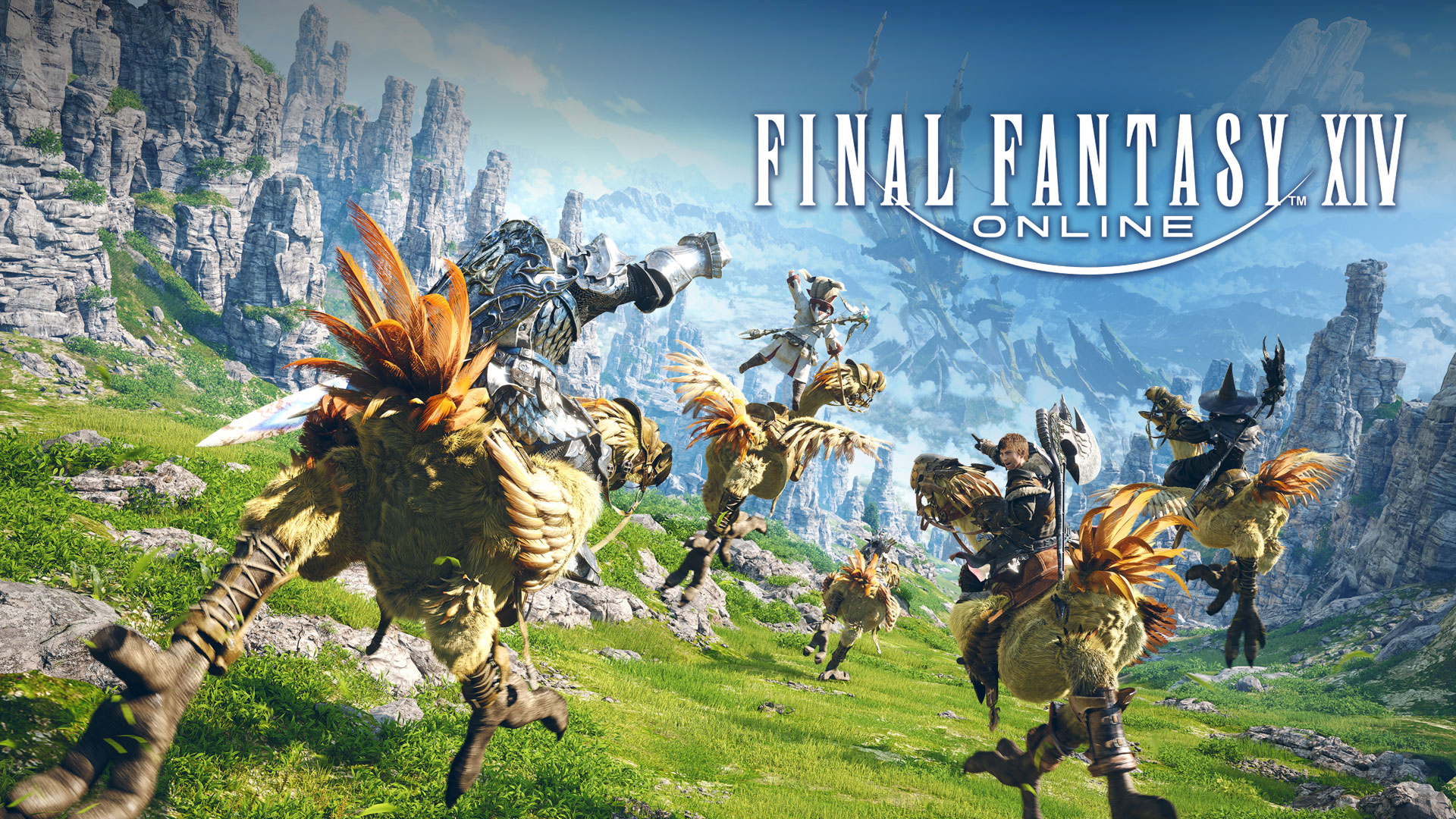
Few games have achieved the redemption arc of Final Fantasy XIV. Once remembered as a troubled launch, it is now considered one of the best online RPG games available and remains a defining example of how long-term LiveOps and community-focused development can transform an MMO.
What keeps players invested in 2026 is the game’s balance between hardcore and casual play. The main storyline stands as one of the strongest narratives in the genre, while endgame activities continue expanding through raids, trials, housing systems, crafting, and seasonal events. Unlike many MMOs that pressure players into constant grinding, FFXIV respects player time unusually well — one character can master every class, reducing alt fatigue and encouraging genuine experimentation.
Its social ecosystem is equally strong. The community is consistently cited as one of the most welcoming in online gaming, which contributes directly to long-term retention. For anyone building a list of best fantasy MMORPG recommendations, FFXIV belongs near the top: it delivers cinematic storytelling alongside polished raid and dungeon content, cross-platform multiplayer gaming between PC and consoles, and one of the healthiest multiplayer role-playing ecosystems in the genre. As a case study in content pacing and community trust, it demonstrates how narrative continuity and reliable updates can sustain a decade-long audience.
World of Warcraft
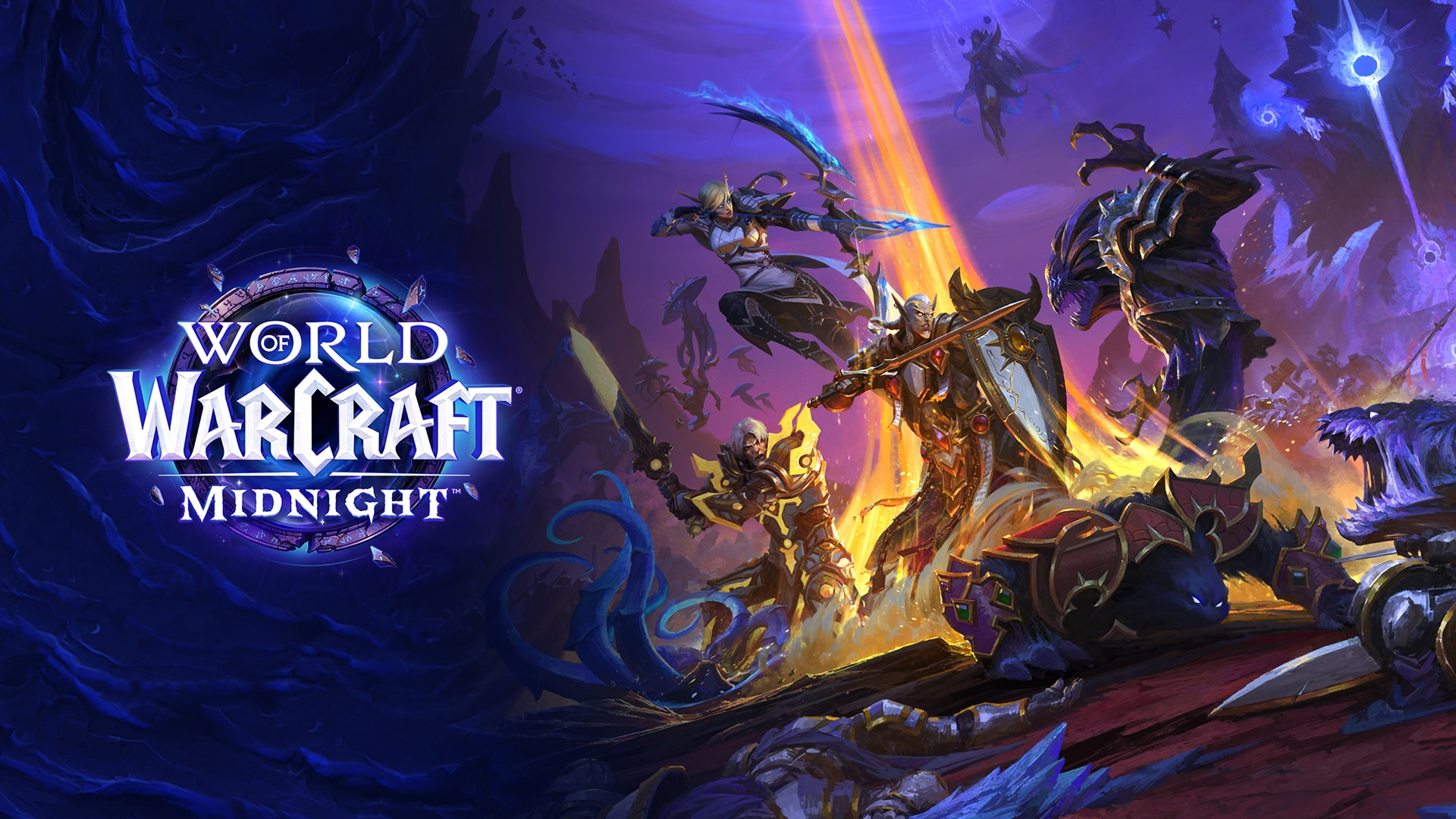
Even after more than twenty years, World of Warcraft remains one of the most played MMORPG titles globally and still defines many standards the genre follows today.
Blizzard’s MMO continues evolving through expansions, class reworks, seasonal progression, and large-scale endgame systems. What keeps WoW relevant is not nostalgia alone — it is the sheer scale of its ecosystem. The game simultaneously supports hardcore Mythic raiding, competitive PvP ladders, collection-focused gameplay, roleplaying servers, solo-friendly progression paths, and Classic-era experiences. Very few online games manage that range without fragmenting their audience.
WoW still dominates conversations around the MMO with most players because of its long-established infrastructure, streaming visibility, and content depth. Its refined class-based character systems, mature guild-based gameplay, and high-level PvE optimization give dedicated players years of structured challenge. Modern WoW also illustrates how MMO developers increasingly rely on seasonal structures borrowed from broader live-service design — a crossover between MMORPG systems and contemporary LiveOps philosophy that studios across genres continue to study closely.
Guild Wars 2
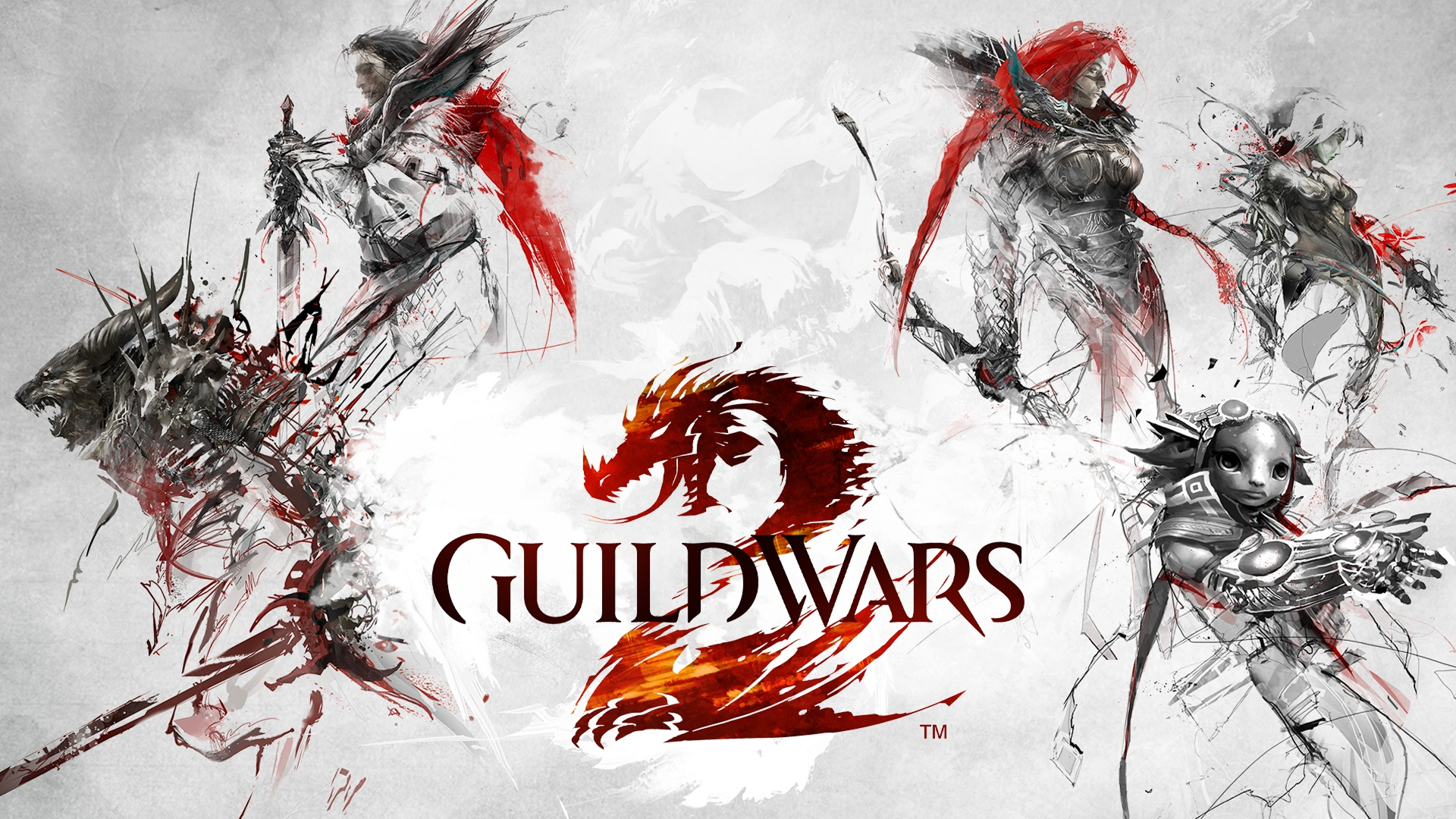
Guild Wars 2 remains one of the smartest alternatives for players who want MMO depth without the constant subscription pressure.
ArenaNet’s approach to horizontal progression still feels refreshing in 2026. Instead of aggressively invalidating old content through gear resets, the game emphasizes exploration, world events, cosmetic goals, and account-wide progression. Its dynamic event system remains one of the best implementations of shared open-world activity design in MMORPG history — large groups organically form during meta-events without forcing rigid party structures, making the world itself feel alive rather than structured around static quest hubs.
GW2 also excels at flexible build experimentation and large-scale PvP battles through its World vs. World mode, which provides ongoing territorial conflict without locking players into scheduled raid windows. Minimal grind barriers and strong cooperative gameplay loops keep the experience accessible without feeling shallow. For developers, GW2 demonstrates how player freedom and restrained monetization can still support long-term retention — a balance many popular MMO games struggle to maintain.
The Elder Scrolls Online
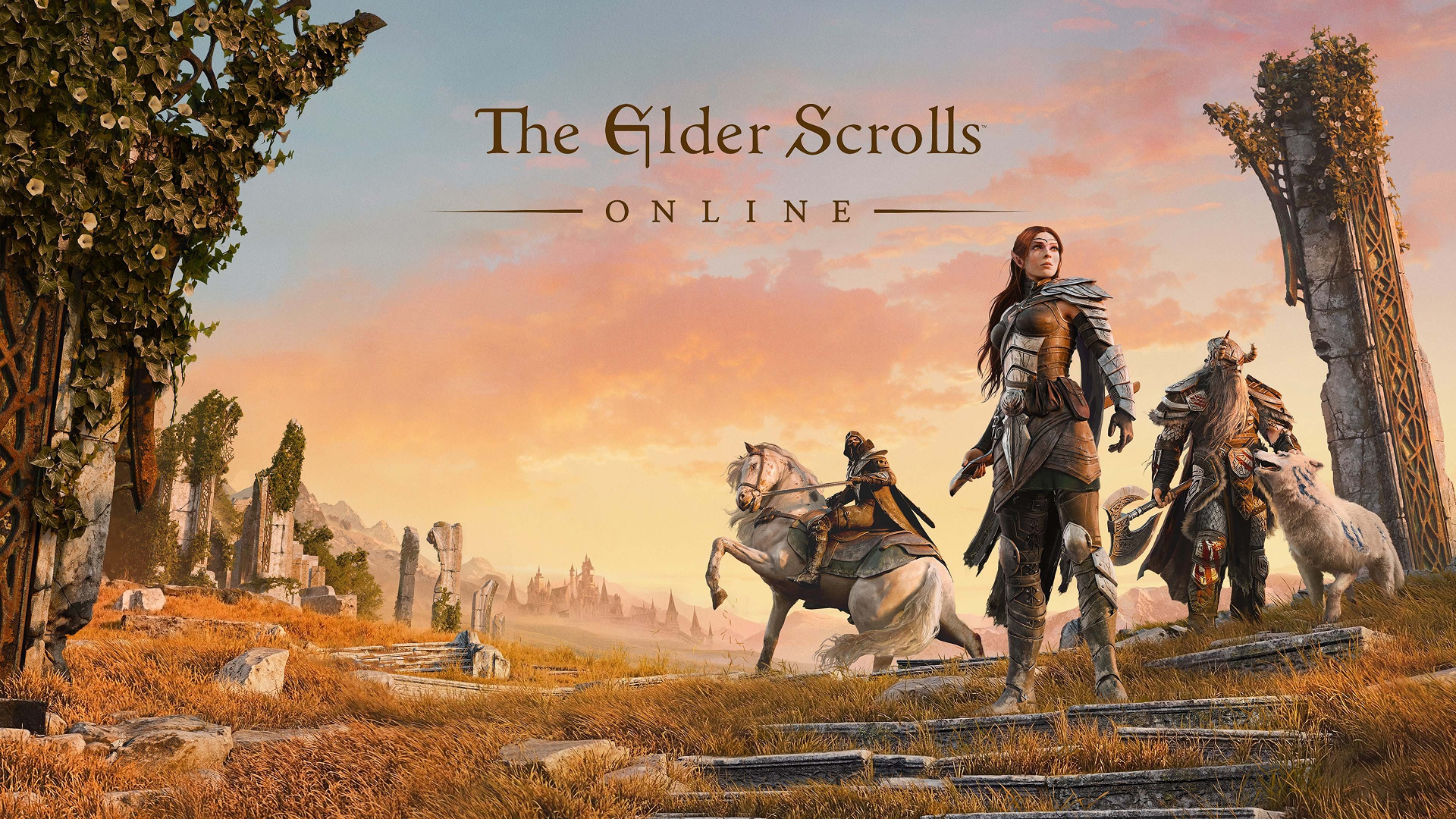
The Elder Scrolls Online succeeds largely because it bridges traditional MMORPG systems with the accessibility and exploration identity of the single-player Elder Scrolls franchise.
Rather than forcing players into highly optimized MMO behavior from the start, ESO allows gradual onboarding through questing, lore exploration, crafting, housing, and open-ended progression. Its persistent online worlds are rich with environmental storytelling, and the game’s content library — spanning years of expansions — gives new players an enormous amount to explore without feeling directionless. Flexible combat builds, strong solo and co-op balance, and a cross-platform ecosystem make it a consistent pick for players who prioritize immersion over high-pressure endgame optimization. ESO is among the most prominent examples of how modern MMOs increasingly use world atmosphere and player identity systems as retention tools, not just combat loops.
Black Desert Online
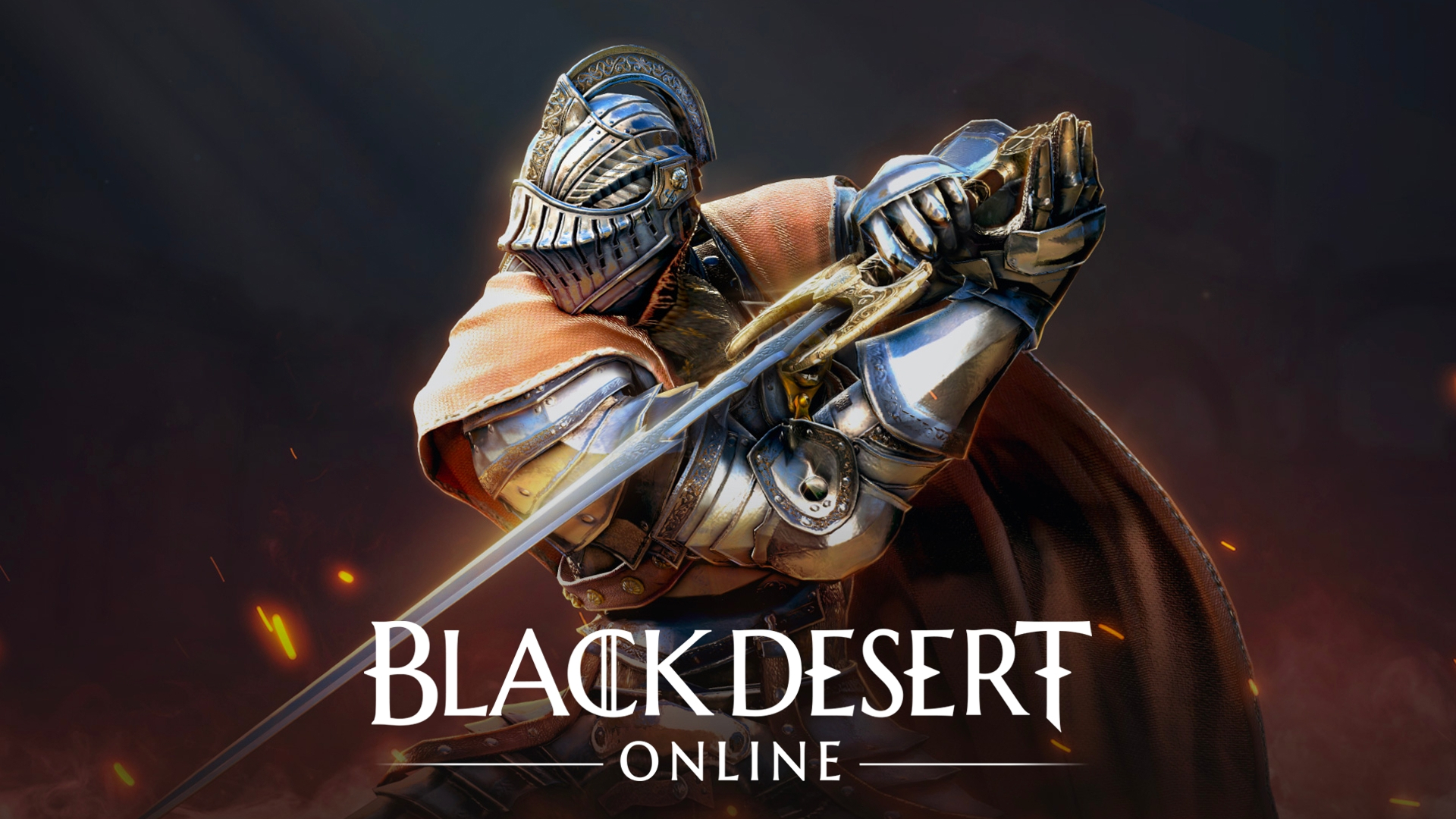
If visual fidelity and combat responsiveness matter most, Black Desert Online still leads much of the genre technically.
Its real-time combat mechanics remain among the strongest in any MMORPG — movement is fluid, animations are highly reactive, and large-scale encounters retain impressive spectacle even years after launch. The advanced character customization system has become something of an industry benchmark in its own right.
BDO is also known for demanding complexity. New players face steep learning curves across its economy systems, enhancement mechanics, node management, worker systems, and PvP progression. For many, that depth is the appeal — the game rewards players willing to invest time in understanding its layered sandbox multiplayer experiences and player-driven economy. From a production standpoint, BDO reflects how visual presentation increasingly shapes player expectations across all online games, with strong art direction and premium animation pipelines now influencing retention almost as much as progression systems.
Lost Ark
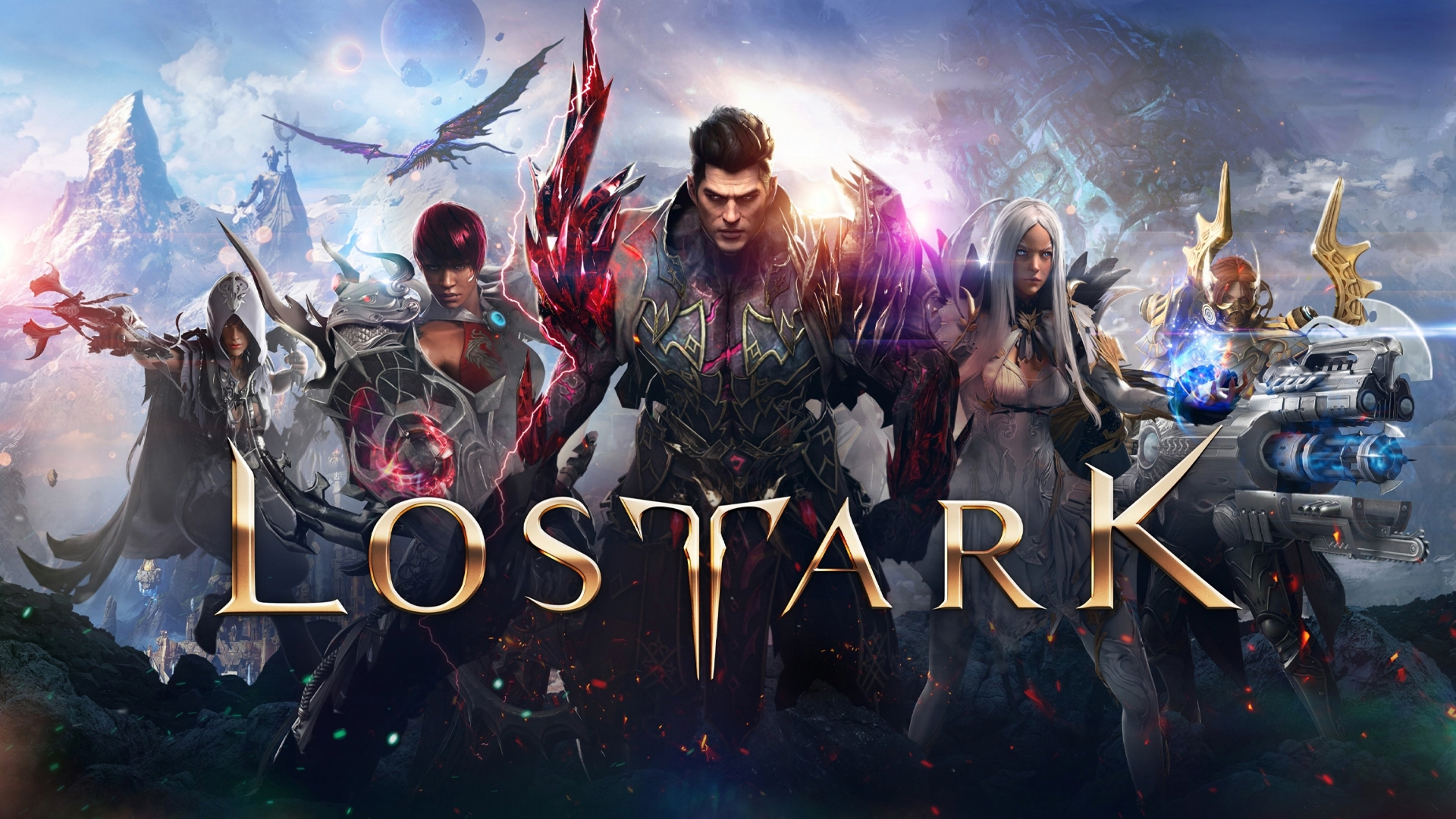
Lost Ark continues attracting players who enjoy action-heavy gameplay mixed with MMO-scale progression.
The game blends ARPG combat design with large-scale multiplayer systems, creating a fast-paced loop built around dungeons, raids, gear upgrades, and seasonal activities. Its raids remain among the most mechanically demanding in the genre, with responsive boss mechanics that reward coordinated online cooperative adventures and sustained guild engagement. Wide class variety and cinematic combat presentation give the game strong visual identity, and frequent progression content keeps the endgame loop active.
Its biggest challenge in 2026 remains onboarding and pacing for new or returning players given the volume of layered systems accumulated over time. Still, for players who prioritize combat feel and spectacle, Lost Ark holds a firm position among the best multiplayer RPG games currently available.
Old School RuneScape
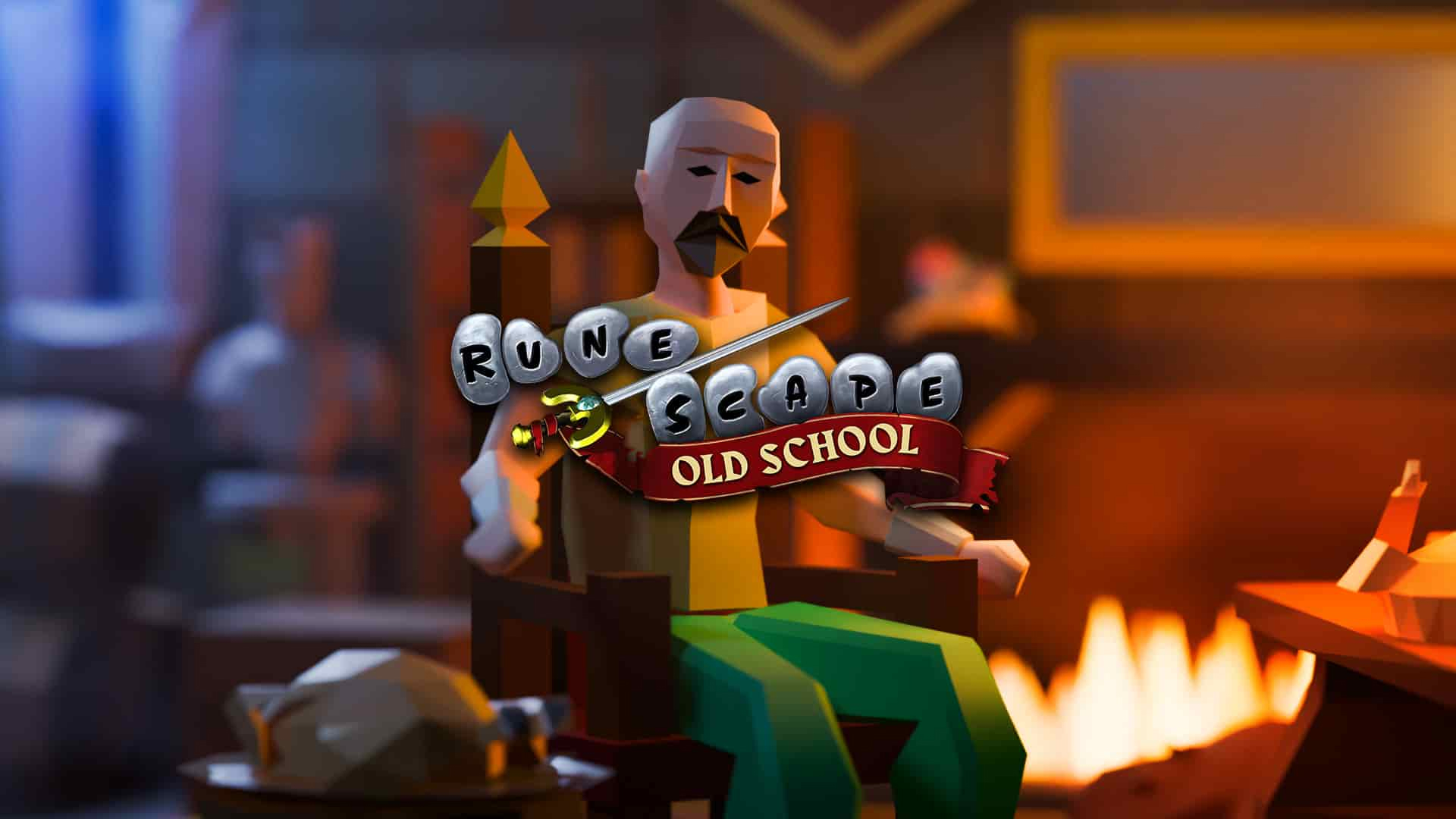
Few MMOs demonstrate the power of community-driven evolution better than Old School RuneScape.
Visually simple yet mechanically deep, OSRS thrives because of player ownership and a long-term progression philosophy unlike almost anything else in the genre. Updates are regularly voted on by the community, creating unusually strong player investment in the game’s direction. Deep skill progression, a genuinely player-driven economy, and flexible play sessions make it accessible across a wide range of schedules and playstyles. The game’s high replayability and social ecosystems have kept its community both loyal and growing.
OSRS also proves that graphical realism is not required for MMO longevity. Strong systems, meaningful progression, and community identity consistently matter more than raw technical fidelity — a lesson that remains relevant well beyond this genre.
Albion Online
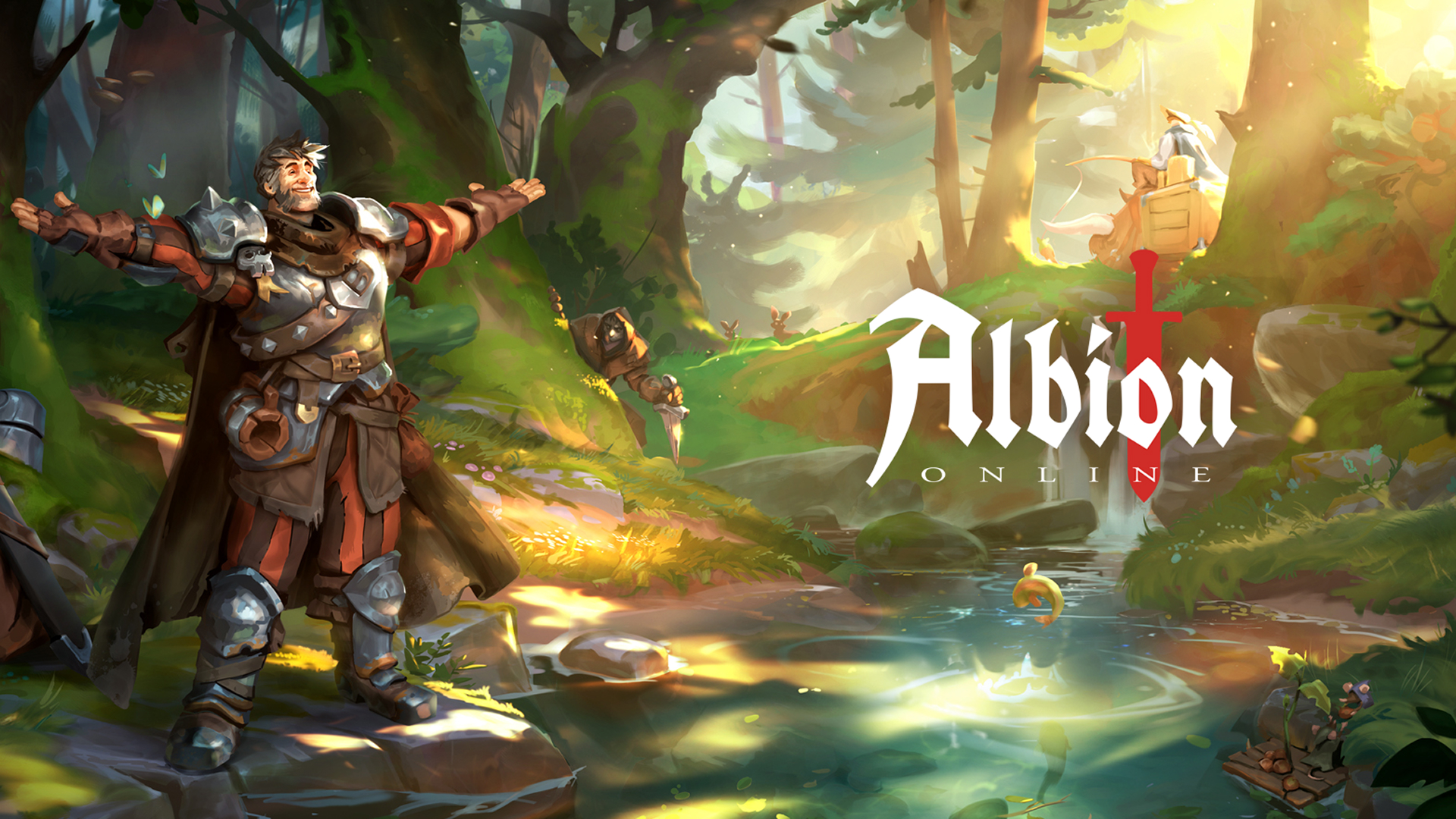
Albion Online continues dominating the sandbox PvP niche and earns its place in any serious mmorpg rankings conversation for 2026.
Unlike theme-park MMOs built around guided progression, Albion emphasizes risk, territory control, and player-generated stories. The economy is almost entirely player-driven, and much of the game revolves around guild-based gameplay and resource control. Full-loot PvP, dynamic market systems, territorial warfare, and seamless cross-platform multiplayer gaming make it one of the most systems-dense experiences in the genre.
What makes Albion particularly interesting from a design perspective is how social structures themselves become core gameplay content. Guild politics, economic warfare, and alliance dynamics generate emergent stories that no scripted narrative could replicate — and that infinite replayability sustains a highly dedicated audience without requiring constant handcrafted content.
New World
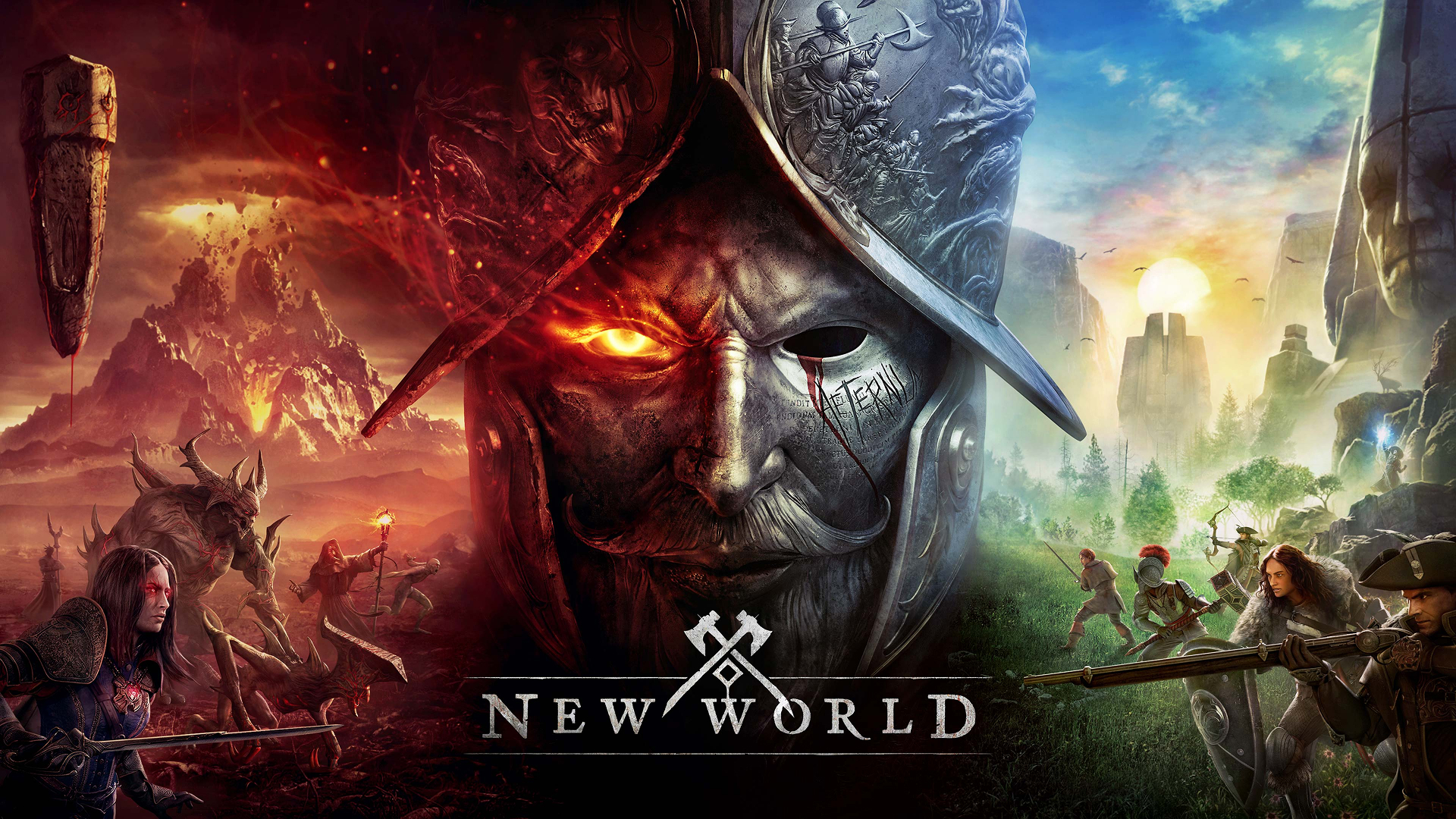
Amazon’s New World has stabilized significantly since its early launch struggles and now occupies a more defined place among the top MMOs right now.
The game’s strongest features remain its atmosphere, gathering systems, and world immersion — its sound design and environmental presentation are among the best in the genre. Ongoing improvements have addressed endgame content depth, progression flow, PvP refinements, seasonal events, and combat responsiveness. Its action-oriented combat differentiates it clearly from traditional tab-target MMORPGs and appeals to players seeking a more grounded multiplayer role-playing experience. New World may not dominate player counts, but it continues building a stable audience through iterative improvement rather than aggressive reinvention.
Throne and Liberty
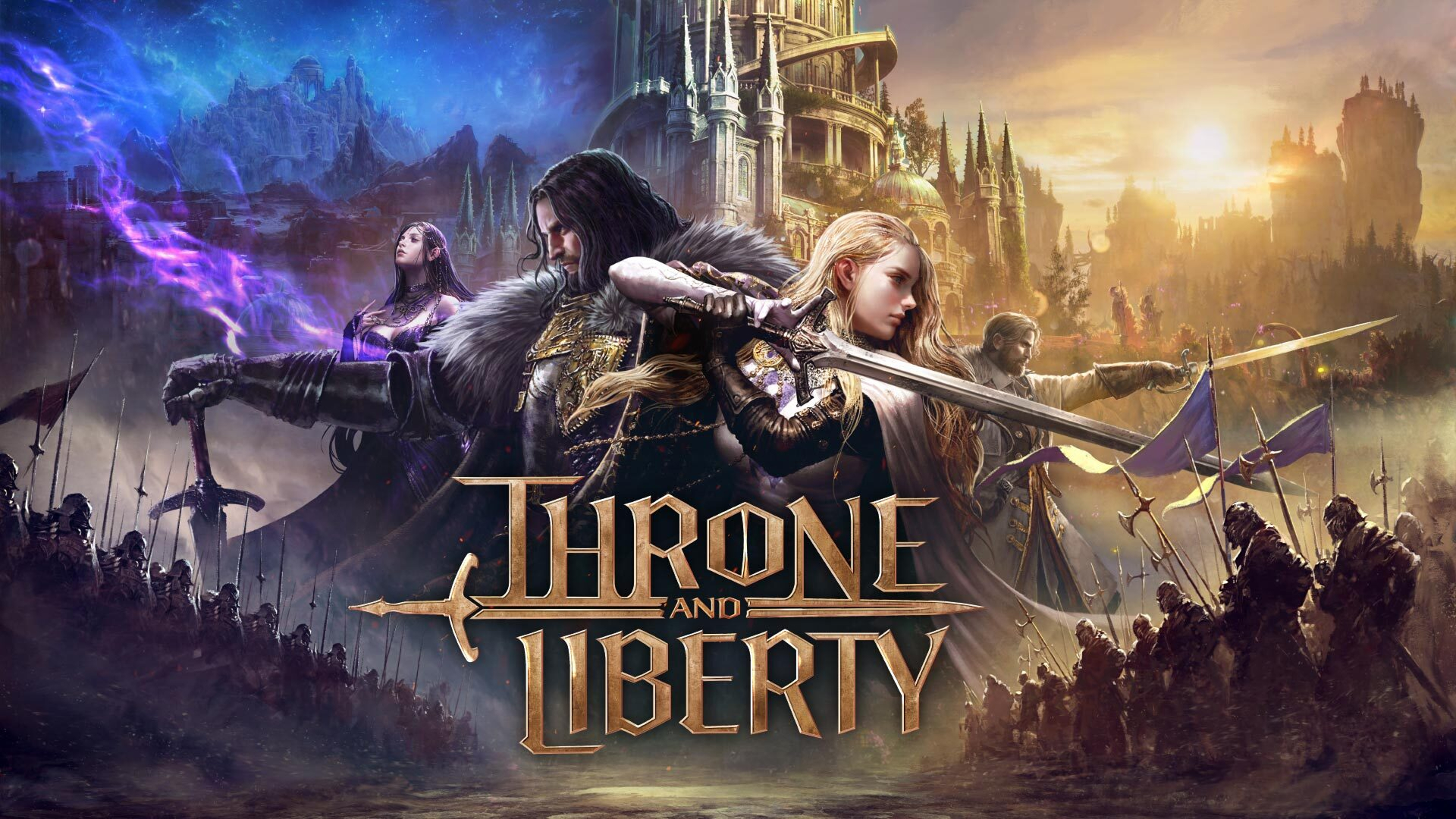
Throne and Liberty represents the newer generation of MMO production — visually ambitious, highly cinematic, and designed around modern engagement structures.
NCSoft’s MMO combines large-scale PvP, dynamic world events, action combat, transformation mechanics, and a modern graphics pipeline into one of the more technically spectacular entries in the current genre landscape. In 2026, it remains one of the most discussed new MMORPG 2026 entries due to its emphasis on persistent conflict systems and world-scale encounters clearly designed to maximize streaming visibility and social engagement.
Like many modern MMOs, however, its long-term success depends less on launch spectacle and more on content cadence, economy balance, and player retention — the challenge that increasingly defines the entire genre.
MMO RPG Trends in 2026
The MMORPG genre has changed significantly over the past decade. The dominant trend is convergence — MMOs increasingly borrow systems from survival games, ARPGs, live-service shooters, and mobile retention models, blurring the genre’s boundaries in productive ways.
Cross-platform accessibility has shifted from a bonus feature to a baseline expectation, with players demanding seamless experiences across PC and consoles. Content cadence expectations have accelerated similarly — modern audiences expect seasonal updates, rotating events, and regular progression refreshes, and static worlds struggle to retain players long-term.
Social retention systems have become a competitive differentiator. Guilds, player housing, crafting economies, and the broader fabric of social gaming communities matter more than ever; the most successful titles make players feel socially anchored, not just mechanically occupied. Combat design has also shifted noticeably toward action-oriented systems, as players increasingly favor responsive real-time mechanics over traditional tab-targeting.
Monetization has fragmented away from pure subscriptions toward hybrid models combining cosmetic stores, battle passes, expansions, optional subscriptions, and convenience purchases — and the healthiest titles are those that balance revenue needs against player goodwill most carefully.
The through-line connecting all of these trends is world persistence. The MMOs gaining ground in 2026 are those building worlds that genuinely evolve through seasons, events, and player interactions — not just content patches. For studios developing any kind of long-term online experience, understanding how MMORPGs sustain communities is increasingly applicable beyond the genre itself.
Upcoming MMO RPGs to Watch
Several projects could meaningfully shape the next wave of pc mmorpg games and best MMO games discussions over the coming years.
Ashes of Creation remains the most anticipated entry, focusing on node-based city development and player-driven political systems that could genuinely advance the genre’s world-persistence ambitions. Riot Games continues developing its League of Legends MMO, and given the studio’s experience with competitive online ecosystems, expectations are significant even with limited public detail. Chrono Odyssey is attracting attention through cinematic presentation and time-manipulation combat concepts, while Dune: Awakening is pushing hybrid MMO design further by blending survival systems with MMO-scale multiplayer. Blue Protocol’s global expansion also remains on radar for players drawn to accessible, stylized combat.
The next generation of the genre will likely be defined less by world size and more by how effectively games build lasting social engagement.
Conclusion
The MMORPG landscape in 2026 is more diverse than the genre’s critics predicted. Final Fantasy XIV and World of Warcraft prove the staying power of mature LiveOps ecosystems. Albion Online and Black Desert Online show how specialized systems sustain dedicated audiences. Newer titles continue experimenting with large-scale social systems, hybrid combat, and evolving world structures.
For anyone working in online game development, MMORPGs remain among the most instructive genres to study — combining economy balancing, retention design, social systems, monetization architecture, and content pipelines into a single, long-running live product. At Inkration, these are exactly the dynamics we track while building online and casino game experiences designed for long-term engagement. Understanding how MMORPGs keep communities active over years, not weeks, is a lesson the broader industry is still catching up to.
FAQ
What is the best MMO RPG in 2026?
There is no single answer for every player, but Final Fantasy XIV and World of Warcraft remain the strongest overall choices due to their content depth, active communities, and long-term support. Players seeking sandbox freedom often prefer Albion Online or Black Desert Online.
Which MMO RPG has the biggest player base?
World of Warcraft and Final Fantasy XIV continue competing for the largest active audiences globally. Titles like Old School RuneScape and Lost Ark also maintain very large player communities.
Are free MMO RPGs worth playing in 2026?
Yes. Many free to play MMORPG titles now offer substantial content without mandatory subscriptions. Guild Wars 2, Albion Online, and Old School RuneScape each provide hundreds of hours of gameplay before optional purchases become relevant.
What new MMO RPGs are coming in 2026?
The most anticipated projects include Ashes of Creation, Riot’s MMO, Chrono Odyssey, and Dune: Awakening — each aiming to advance MMO design through dynamic worlds, large-scale systems, and modern multiplayer infrastructure.