
Minecraft is the best-selling video game ever made — over 300 million copies sold, a $2.5 billion acquisition by Microsoft in 2014, and more than 15 years of sustained commercial relevance. But raw sales figures only tell part of the story. What makes Minecraft genuinely remarkable from a business perspective isn’t that it sold a lot of copies — it’s that it kept making money long after most games go quiet.
Understanding how Minecraft generates revenue today means looking at a model that has evolved well beyond a one-time purchase. It spans subscriptions, a creator-driven marketplace, merchandise, educational licensing, and spin-off titles — each reinforcing the others rather than competing for the same wallet.
Minecraft Business Model Overview
Minecraft operates on a hybrid monetization model that combines premium upfront sales with recurring digital revenue. Players pay once to own the game, then optionally spend on marketplace content, server subscriptions, and cosmetic add-ons over time. There are no pay-to-win mechanics, no energy systems, no forced spend loops — which is a deliberate strategic choice, not an oversight.
This structure has two important effects:
First, it lowers the barrier to entry, which maximizes the initial player base.
Second, because the game itself is genuinely open-ended and creativity-driven, players stay long enough to become long-term spenders.
The minecraft monetization model works because it earns trust before it asks for money.
Microsoft doesn’t publicly report Minecraft’s standalone financials, but industry estimates place annual franchise revenue in the hundreds of millions of dollars when marketplace transactions, Realms subscriptions, merchandise, and ongoing game sales are aggregated. For context, the franchise has been compared in scale and diversification to other mega-IP ecosystems — much as analysts examine Fortnite total revenue to understand what a live-service game can achieve over a sustained period.
Main Ways Minecraft Makes Money
Minecraft’s revenue doesn’t rely on a single channel. The minecraft revenue streams span game sales, digital marketplace transactions, monthly subscriptions, merchandise and toy licensing, educational product sales, and spin-off game releases. Each stream targets a slightly different segment — new players, active communities, families, educators, and institutional buyers — which is what makes the model structurally resilient.
Game Sales (Core Revenue)
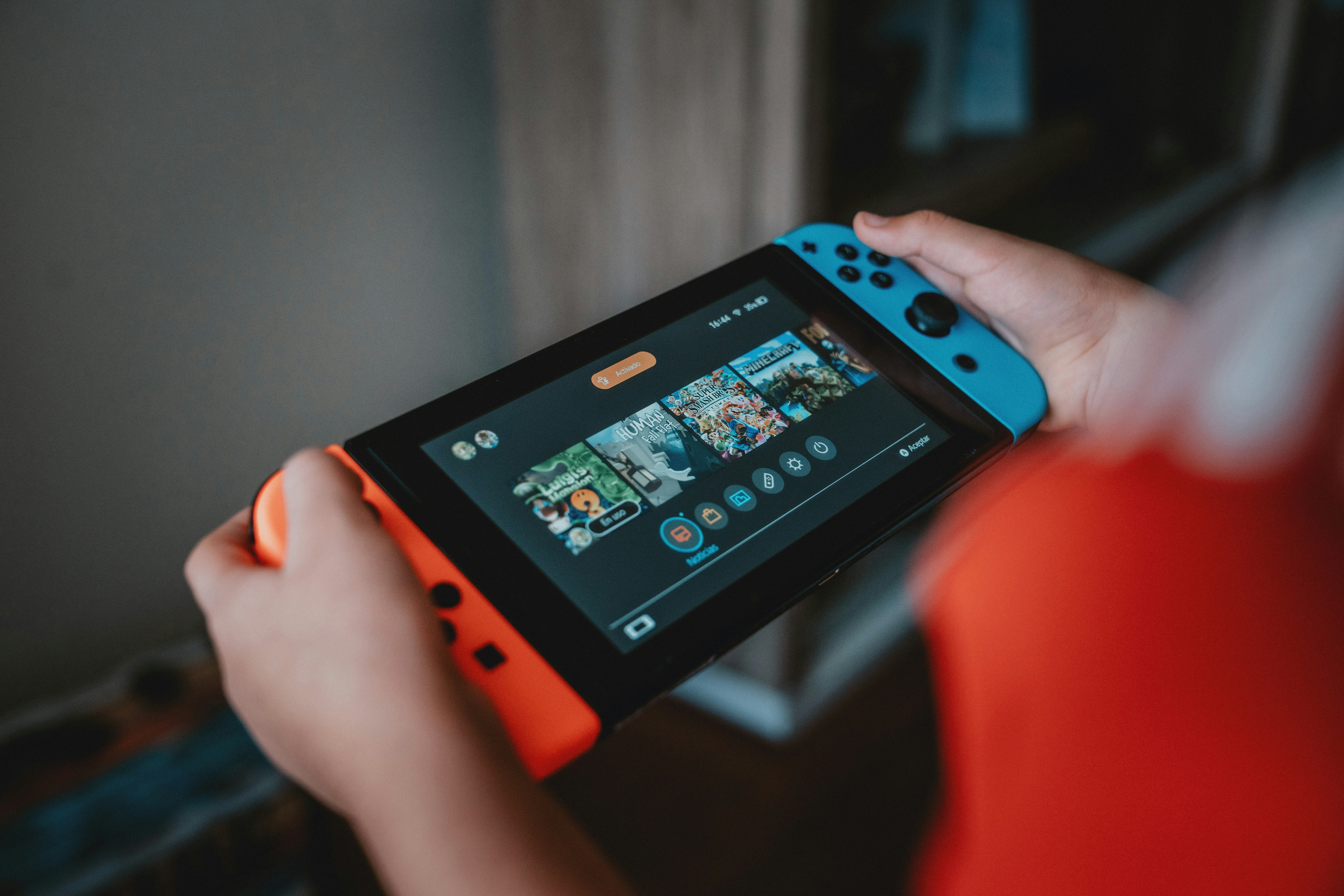
The bedrock of Minecraft’s commercial history is straightforward: players buy the game. Available across PC, Xbox, PlayStation, Nintendo Switch, mobile, and VR, Minecraft has reached over 300 million paid copies, a figure no other video game has matched.
Mobile was a critical growth driver, particularly in markets across Southeast Asia, Latin America, and parts of Europe where console penetration is lower. The Pocket Edition brought Minecraft to audiences who might never have touched a PC or console version, dramatically expanding the total addressable player base.
What sustains minecraft game sales revenue years after launch is generational refresh. Parents who played Minecraft as teenagers are now introducing it to their children. That cycle — combined with the game’s consistently low price point and regular platform updates — keeps new copy sales meaningful even a decade and a half in. Most games see sales collapse within 18 months of release. Minecraft has never really had that cliff.
For studios thinking about long-term IP value, this is the first major lesson: a premium, evergreen product with low-friction entry and cross-platform availability creates a monetization runway that pure free-to-play titles rarely match. It’s worth comparing this model against something like how much is Call of Duty worth — another franchise that has had to reinvent its monetization approach multiple times to sustain comparable revenue scale.
Marketplace, Microtransactions & Subscriptions
Once players are inside the game, Minecraft creates further revenue through digital goods and server subscriptions — none of which are required, but all of which are genuinely useful or desirable.
The Minecraft Marketplace allows independent creators and studios to sell maps, custom skins, texture packs, mini-games, and adventure worlds. Purchases are made using Minecraft Coins, a soft currency bought with real money, with Microsoft taking a platform cut on every transaction. The minecraft marketplace earnings model is effective precisely because it outsources content production to the community. Mojang doesn’t need to produce every skin pack or adventure map — thousands of creators do it instead, and the platform captures value from all of it.
The minecraft microtransactions system is deliberately cosmetic and experience-focused. None of the purchasable content provides competitive advantage; it only changes how the game looks or what kinds of curated experiences are available. This positioning has earned Minecraft a level of community goodwill that many live-service competitors — with their loot boxes and battle pass treadmills — have struggled to maintain.
Realms and Realms Plus represent the subscription layer. For a monthly fee, players can host a persistent, cloud-based private server accessible to friends across platforms without managing any technical infrastructure. Realms Plus bundles this with a rotating catalog of marketplace content. Minecraft subscription revenue from Realms is particularly attractive from a business standpoint because it’s predictable, recurring, and driven by utility rather than impulse. Families, classrooms, and friend groups subscribe because the service solves a real problem — keeping a shared world alive without server headaches.
Merchandising, Spin-Offs & Licensing
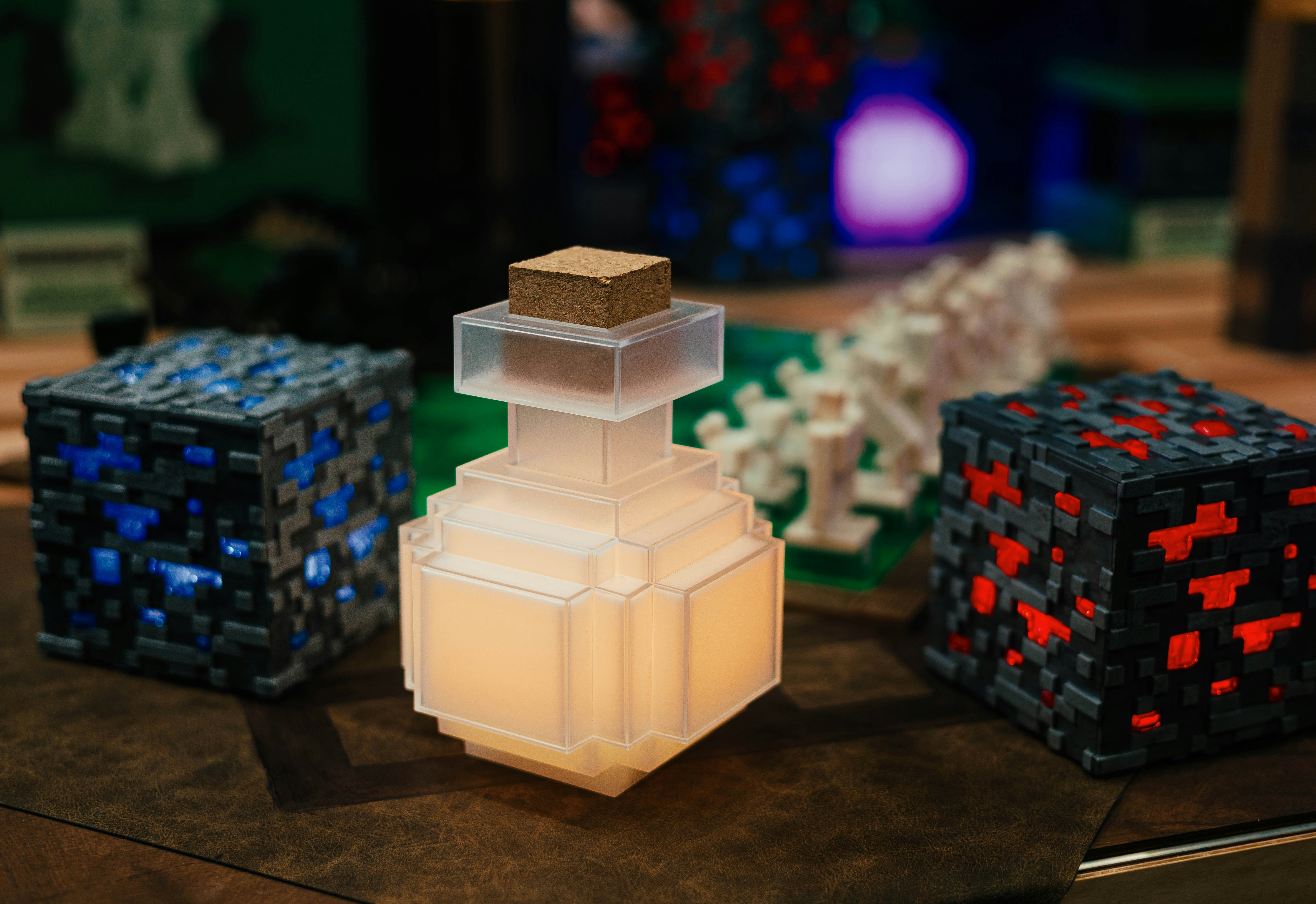
Minecraft’s cultural footprint extends well beyond screens. The franchise generates substantial minecraft licensing and merchandise revenue through a product range that includes LEGO sets (one of the most successful licensed LEGO lines ever produced), action figures, clothing, backpacks, bedding, books, and board games. The game’s block-based aesthetic translates into physical products unusually well — the visual language is immediately recognizable and easy to manufacture at scale.
Spin-off games have added further revenue without diluting the core product. Minecraft Dungeons, a dungeon-crawler aimed at younger audiences, and Minecraft Legends, a real-time strategy title, both reached new players who might not have connected with the original sandbox format. These titles also serve as retention tools for the broader franchise — players who finish Dungeons often return to Java or Bedrock editions with renewed interest.
Minecraft Education Edition deserves particular mention as a standalone revenue channel. Licensed to schools and educational institutions globally, it positions Minecraft as a teaching platform for coding, STEM reasoning, collaboration, and digital literacy. This isn’t just goodwill marketing — it’s a genuine enterprise sales model with institutional procurement cycles, and it has embedded Minecraft into curricula across dozens of countries.
Licensing agreements with global consumer brands extend the franchise further, generating royalty revenue while maintaining cultural visibility in spaces where gaming advertising rarely reaches.
Why Minecraft Makes So Much Money
The deeper question isn’t what Minecraft sells — it’s why players keep buying for this long.
The core answer is that Minecraft is not a content product. It’s a creative medium. Unlike story-driven games that have a natural endpoint, Minecraft has no finish line. Players set their own goals, build their own worlds, and generate their own reasons to return. That fundamentally changes the economics: Minecraft doesn’t need a constant pipeline of developer-produced content to stay relevant, because the community produces the relevance for it.
YouTube and Twitch amplified this enormously. Minecraft is perennially among the most-watched gaming categories on both platforms — not because of marketing spend, but because players find infinite variation worth sharing. That organic visibility functions as a permanent, zero-cost acquisition channel.
Cross-generational appeal adds another layer. Children discover the game, grow up with it, and introduce it to the next generation. The minecraft income sources are fed by this cycle continuously rather than depending on a single cohort of players aging through their spending years.
From a strategic perspective, Minecraft also demonstrates the compounding value of an open platform. By enabling creators to build and sell through the Marketplace, Mojang created a network effect: more creators attract more players, more players attract more creators. This is the same logic that underlies broader persistent-world thinking in the industry — including the frameworks being developed in Metaverse development, where user-generated content and creator economies are increasingly central to long-term engagement models.
The minecraft business strategy ultimately succeeds because it aligned player interests with commercial interests from the beginning. Players get a genuinely open, non-exploitative creative tool. Microsoft gets a franchise with compounding network effects, a self-sustaining creator economy, and a cross-generational audience that has never meaningfully declined.
Conclusion
Minecraft’s revenue model succeeds because it aligned player interests with commercial ones from the start — no exploitative mechanics, just a genuinely open creative tool that people keep returning to across generations. Game sales built the foundation, the Marketplace and Realms layered in recurring revenue, and merchandise, education, and licensing extended the franchise into markets most games never reach. The result is a monetization architecture worth studying not because the numbers are big, but because the logic behind them is transferable.
At Stepico, we work with studios and publishers on monetization architecture, live-service design, and long-term ecosystem strategy. If you’re building something meant to last, those are the conversations worth having early.
FAQ
How much money has Minecraft made in total?
Minecraft has generated billions of dollars in lifetime revenue across game sales, marketplace transactions, subscriptions, merchandise, and licensing. It is one of the highest-grossing gaming franchises ever created, though Microsoft does not publish exact cumulative figures.
What is Minecraft worth in 2025?
Minecraft’s worth in 2025 reflects not just revenue but strategic value: an active global player base, a self-sustaining creator marketplace, institutional educational reach, and brand recognition across multiple generations. Microsoft paid $2.5 billion for Mojang in 2014 — the franchise is worth considerably more today.
Does Minecraft still make money from game sales?
Yes. Continuous generational renewal, cross-platform availability, and a consistently low price point keep new copy sales strong more than 15 years after launch.
How does the Minecraft Marketplace work?
Creators and studios sell custom content — skins, maps, mini-games, texture packs — through the in-game Marketplace. Players buy Minecraft Coins with real money to purchase content, and Microsoft takes a platform percentage on each transaction.
How much does Minecraft make a year?
Microsoft doesn’t break out annual Minecraft revenue separately, but franchise income — combining marketplace sales, Realms subscriptions, ongoing game purchases, and licensing — is consistently estimated at several hundred million dollars per year.
What are Minecraft’s biggest revenue streams?
Base game sales, Marketplace transactions, Realms subscriptions, merchandise and LEGO licensing, educational edition sales, and spin-off game titles are the primary drivers of ongoing Minecraft revenue.