
We design and implement secure smart contracts that power ownership logic, token utilities, staking systems, and marketplace functionality without compromising performance. On-chain and off-chain responsibilities are carefully separated to protect gameplay speed while maintaining transparency and trust. Every system is built with audit readiness and long-term scalability in mind.
Stepico
Blockchain Game Development Company
Most blockchain games focus on tokens first and gameplay second — we don’t. As a blockchain game development company, we build games that are genuinely fun to play, supported by secure smart contracts, sustainable economies, and scalable Web3 infrastructure.
Most blockchain games focus on tokens first and gameplay second — we don’t. As a blockchain game development company, we build games that are genuinely fun to play, supported by secure smart contracts, sustainable economies, and scalable Web3 infrastructure.
Technologies We work With
With 10+ years of combined experience in blockchain game development services and traditional game production, we manage projects from idea to release and ongoing LiveOps. As a crypto game development company, we ensure long-term player engagement through strong design, reliable infrastructure, and evolving content.


Blockchain Game Development Services
We deliver comprehensive blockchain game development services designed to balance engaging gameplay with secure, scalable Web3 infrastructure.
Smart Contract & On-Chain Architecture
Token Economy & Game Economy Design
A sustainable blockchain game economy requires more than a token — it requires balance, sinks, rewards, and retention mechanics that make sense for real players. We design P2E mechanics that support engagement instead of replacing it, ensuring that economic incentives reinforce gameplay rather than distort it. The result is a stable system built for growth, not short-term speculation.
Blockchain Backend & Infrastructure Development
We build robust backend systems that connect game servers, wallets, and blockchain networks into a seamless experience. From transaction handling to marketplace integrations, our infrastructure is optimized for performance, gas efficiency, and reliability under load. Security, scalability, and compliance are integrated from the start.
Engine Integration (Unity & Unreal)
We integrate blockchain functionality directly into Unity and Unreal projects without disrupting core gameplay systems. Wallet connections, NFT logic, and transaction flows are implemented in ways that preserve player experience and UI clarity. Our approach supports hybrid Web2/Web3 models for broader adoption and smoother onboarding.
Marketplace & Ownership Systems
We develop in-game and decentralized marketplaces that support minting, trading, and asset management while keeping UX intuitive. Ownership logic is embedded directly into gameplay loops, enabling meaningful digital asset utility instead of passive collectibles. This ensures blockchain enhances progression rather than distracting from it.
Why Choose Stepico as Your Blockchain & NFT Game Development Partner
Why Choose Stepico as Your Blockchain & NFT Game Development Partner
Building a Web3 game shouldn’t feel like gambling your reputation, budget, or sanity. We help you launch secure, scalable, genuinely fun blockchain gaming solutions — without turning your project into a speculative experiment.
Games First. Tokens Second.
Never shall we ever neglect tech — yet we design gameplay before economy mechanics. Retention, progression, and player motivation lead every decision, letting blockchain features support the game, not replace it. Protect both product quality and long-term value.
Sustainable Economies Instead of Pump-and-Dump Models
We build token and asset systems designed for stability, controlled emissions, and healthy reward loops. The focus is long-term ecosystem growth — not short-term spikes that collapse under pressure. Your project won’t look like a trend-chasing altcoin experiment.
Security Is Built In, Not Bolted On
Smart contracts are structured for audit readiness, upgradeability, and risk mitigation from the start. On-chain and off-chain logic are separated properly to reduce vulnerabilities. We design systems that protect players, assets, and your reputation.
Production-Grade Game Development Expertise
We are a game development studio first. That means structured pipelines, performance optimization, live operations readiness, and real engine integration experience. You get Web3 capabilities backed by production discipline.
Clear Architecture. No Black Boxes.
Technical decisions are documented and transparent. You understand what runs on-chain, what stays off-chain, and why. This clarity reduces future technical debt and makes scaling predictable.
Responsible Web3 Implementation
Be positive your project is positioned for sustainable growth, not short-term volatility. Blockchain gaming requires thoughtful economic design, compliance awareness, and transparent communication with players. We help you implement decentralized features in ways that align with regulatory frameworks and long-term ecosystem health.
Your Project Lifecycle
Your Project Lifecycle
Our full-cycle blockchain game development process aligns gameplay design, technical architecture, and economic systems from day one — reducing risk and preventing costly reworks later.
1. 1. Product Discovery & Web3 Strategy
We begin by defining your game vision, target audience, monetization model, and blockchain scope. This includes token utility planning, NFT logic definition, and early validation of P2E viability. Chain selection and compliance considerations are evaluated before technical commitment. The outcome is a clear production and economic blueprint.
2. Game Design & Economy Modeling
Core gameplay loops are designed alongside a sustainable blockchain game economy. We model reward flows, token emissions, sinks, and asset progression systems to prevent inflation and imbalance. P2E mechanics are structured around retention, not speculation. Every earning system must reinforce engagement.
3. Architecture & Smart Contract Development
We design scalable on-chain and off-chain architecture with performance and security in mind. Smart contracts are developed for ownership logic, minting, staking, governance, or marketplace systems. Contracts are structured for upgradeability and audit readiness. Gas efficiency and transaction flow optimization are prioritized.
4. Game Development & Engine Integration
Building gameplay systems in Unity or Unreal with blockchain functionality integrated seamlessly. Wallet connections, NFT interactions, and transaction confirmations are implemented to feel native within the UX. Backend infrastructure connects game servers to blockchain networks securely. Performance remains a core priority throughout production.
5. Testing, Security & Audit Preparation
We conduct internal QA, smart contract validation, and economy stress testing before launch. Systems are reviewed for vulnerabilities, edge cases, and exploit risks. Where required, projects are prepared for third-party smart contract auditing. Security and stability are validated before public release.
6. Deployment, Marketplace Launch & Live Operations
We manage mainnet deployment, NFT minting events, and decentralized marketplace activation. Post-launch, we monitor transaction load, economic balance, and player behavior. Iterations are implemented to maintain ecosystem health. Ongoing support ensures long-term scalability and product evolution.
Let’s build something together
Our 7-year expertise, talented blockchain professionals, and a vast portfolio of successful blockchain games guarantee the first-class gaming experience your players will get. We provide expert blockchain game development services, covering the whole game creation process, from ideation to post-release support. Let’s leverage powerful blockchain technology for your game together!

OUR projects
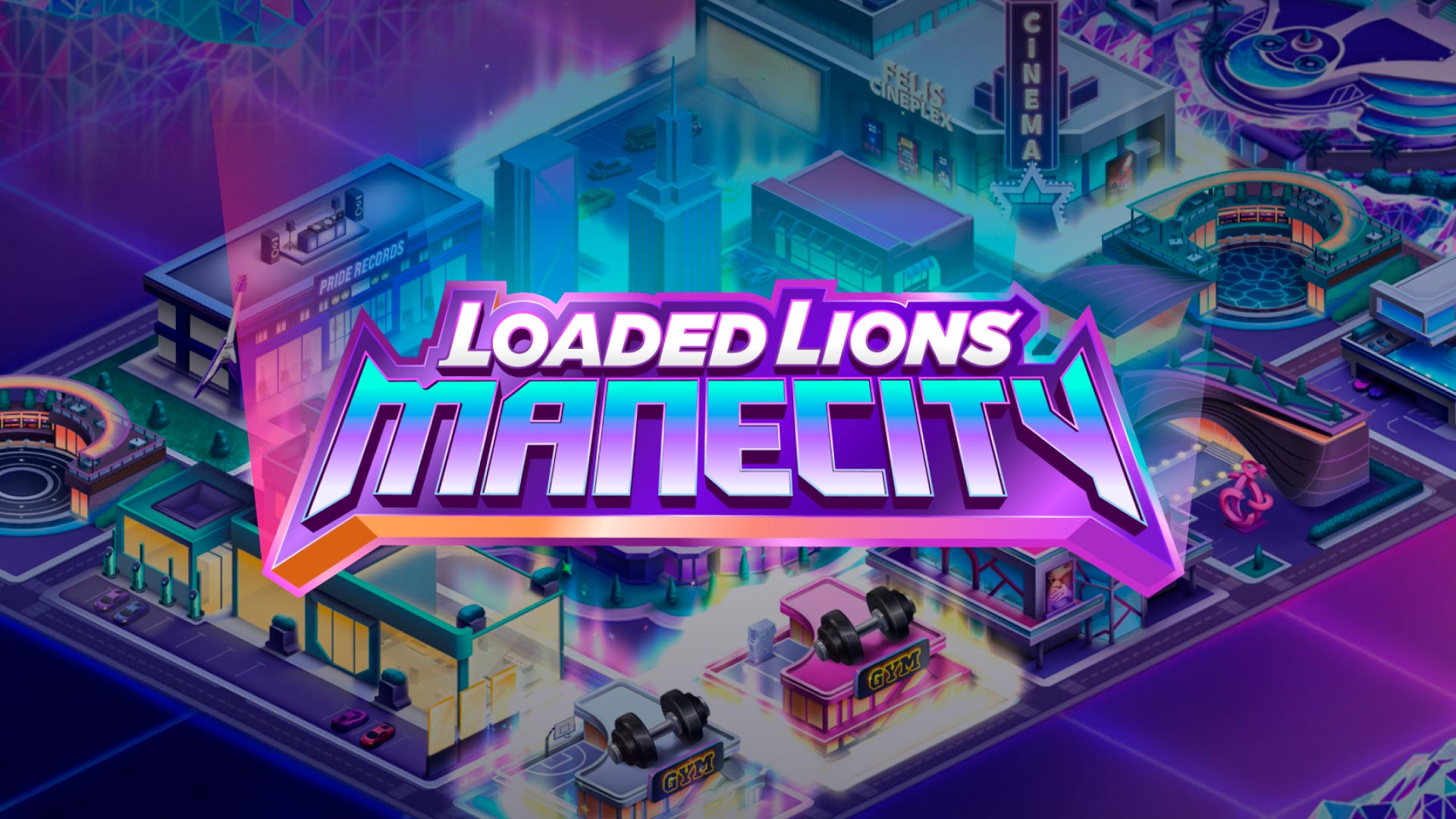
Loaded Lions: Mane City
Loaded Lions: Mane City is a tycoon simulation game where players create their dream cities and furnish their mansions. These are made possible with the Gold and Diamonds generated from their in-game land plots and businesses, running the gamut from banks to cinemas.
Additionally, players have the opportunity to get special prizes in the game’s Competitive Mode. The top 1,000 players in the leaderboard will receive special rewards, so the higher your ranking, the more rewards you’ll receive.
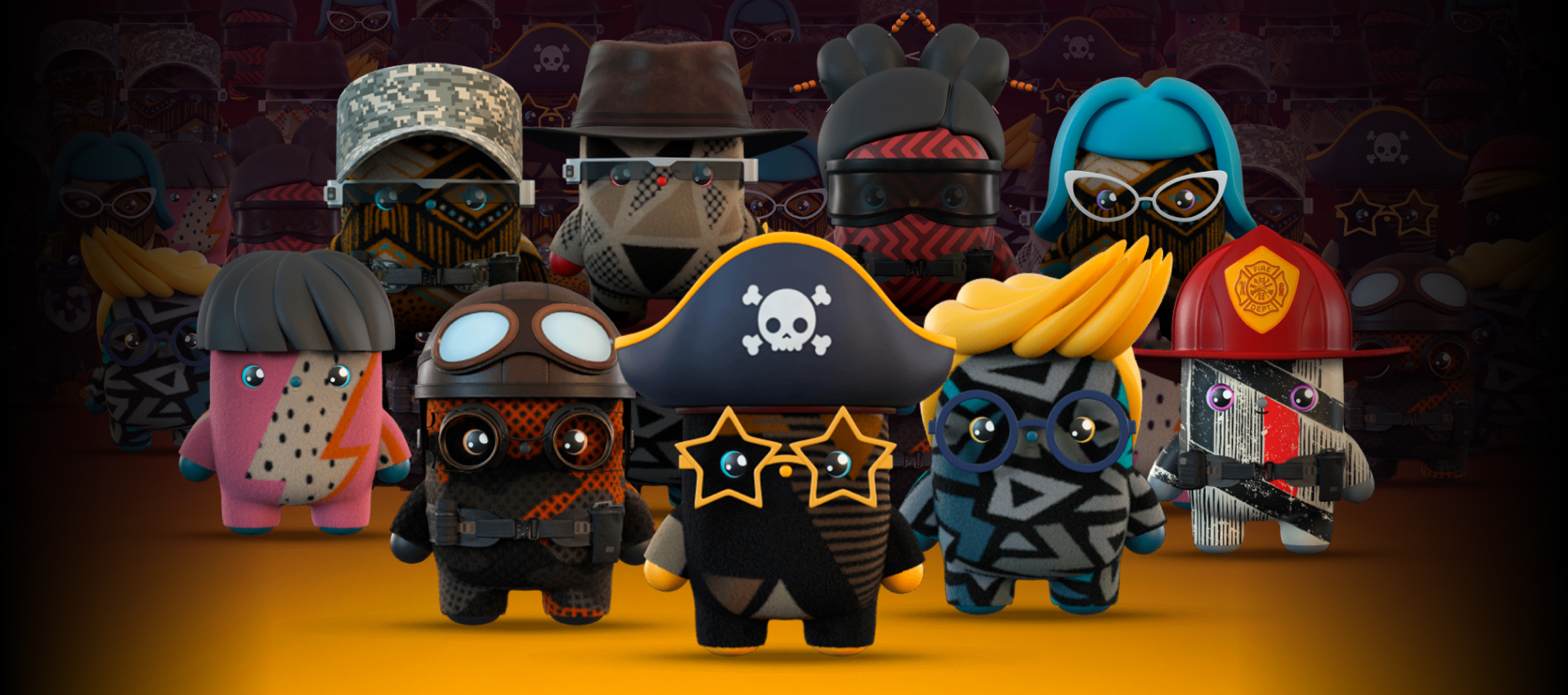
MetaPopit
MetaPopit offers a classic escape room experience where each level comprises multiple rooms that players must escape to unlock treasures.
Each room is set in a different geographic location and time era, ranging from Ancient Egypt to a laboratory in 20782, and their combinations are randomly assigned to players in each game level.
Along with the escape puzzles, players can collect items in each room for special advantages.
The Team for Your Project
We fully cover the client’s needs in blockchain game development. Stepico rapidly puts together a group of expert blockchain developers to work on your game idea per your request. In general, the team is made up of:
Project Manager
The Project Manager is in charge of clear communication and timely, efficient blockchain game delivery. They make sure that all specialists concur on the project’s objectives.
Game Producer
The role of the Game Producer is to aid in driving your blockchain-based game toward a release date. They carefully incorporate your wishes and requirements into the design, ensuring that your vision and gaming industry trends are lined up.
Game Designer
Game Designer incorporates tendencies in art styles and game mechanics into the blockchain game development process. They envision all game aspects, such as the narrative, characters, and visual aesthetics.
Art Lead
This person carries the artistic integrity of blockchain game projects. The Art Lead manages the technical angle of the art team, like task scheduling and distribution, game art processes, required tools, etc.
2D/3D Artists
Game artists tap into their endless creativity to create exclusive game assets. We’ve assembled only top talent for our in-house team that creates visual content for leading game distributors.
Tech Lead
Tech Lead acts as a connector between blockchain game development and art teams, ensuring that the art in a game engine looks and performs well. This job also covers animation & VFX, shaders, and lighting.
Blockchain Developers
These people develop and deploy blockchain solutions, write secure and efficient code, and integrate blockchain features into various platforms. Their expertise lies in utilizing blockchain protocols, such as Ethereum or Hyperledger, to build transparent, immutable, and decentralized systems.
DevOps Engineers
These people are responsible for boosting the efficiency and consistency of blockchain-based game development using automation. DevOps ensure that the game development team’s tools and servers are properly working.
QA Engineers
QA team oversees your blockchain game project and runs thorough tests to determine and eliminate any technical issues without negatively impacting production. No bugs or glitches will escape the sharp eye of Stepico’s QA team.
FAQ
What is blockchain game development?
Blockchain game development is the process of building games that use blockchain technology to enable asset ownership, transparent economies, secure transactions, or decentralized governance. Unlike traditional games, certain systems — such as tokens or item ownership — may run on-chain through smart contracts. This allows players to truly own, trade, or transfer digital assets. A professional blockchain game development company ensures that blockchain enhances gameplay rather than slowing it down. The goal is to combine strong game design with secure decentralized infrastructure.
What business advantages do blockchain games have over traditional games?
Blockchain games introduce new monetization and retention models through in-game asset ownership, NFT minting and trading, and tokenized economies. Studios can build decentralized marketplace for games that create ongoing transaction-based revenue streams. Transparent blockchain game economy systems increase player trust and engagement. Interoperability for blockchain games can also enable cross-project collaborations and shared ecosystems. When designed correctly, these advantages support long-term product growth rather than short-term monetization spikes.
What are NFT games and how do NFTs work in gameplay?
NFT games use non-fungible tokens to represent unique in-game assets such as characters, skins, land, or equipment. Through NFT game development, these assets gain programmable utility — they can evolve, be upgraded, rented, or traded. NFTs function via smart contracts that verify ownership and control transfer rules. Well-designed NFT gaming solutions integrate these assets directly into progression systems instead of treating them as external collectibles. The result is meaningful digital ownership that enhances gameplay depth.
Which blockchains do you use for game development?
We select blockchains based on scalability, gas efficiency, ecosystem maturity, and project goals. Our team evaluates Layer 1 and Layer 2 networks to ensure performance aligns with gameplay needs. Interoperability for blockchain games is considered when cross-chain functionality or broader ecosystem access is required. Security, tooling support, and long-term viability also guide the decision. The right chain depends on your economy design, target audience, and growth strategy.
Can blockchain or NFT features be integrated into an existing game?
Yes, blockchain and NFT systems can be integrated into existing titles through modular architecture updates. We analyze current backend infrastructure and identify where smart contracts or ownership systems can be layered in without disrupting gameplay. Hybrid Web2/Web3 models allow gradual rollout to minimize player friction. Secure blockchain gaming solutions focus on preserving performance and retention during integration. This approach reduces risk while enabling new monetization channels.
How long does it take to develop a blockchain or NFT game?
Development timelines depend on scope, technical complexity, and economy design requirements. A focused MVP with core NFT minting and trading functionality may take several months, while full-scale projects with custom infrastructure and advanced token logic require longer production cycles. Full-cycle blockchain game development includes discovery, architecture planning, production, security validation, and launch preparation. Early technical clarity significantly reduces delays. Clear scoping is the strongest predictor of timeline accuracy.
How much does blockchain or NFT game development cost?
Costs vary depending on gameplay complexity, blockchain integration depth, and marketplace or token requirements. Projects involving advanced smart contract systems, custom backend infrastructure, or DAO mechanics require greater investment. Professional NFT game development company services prioritize security, scalability, and audit readiness, which influence budget planning. Cutting corners in blockchain architecture can create long-term financial and reputational risk. A structured discovery phase provides accurate cost estimation.
Are blockchain games secure?
Security depends on architecture quality, smart contract implementation, and testing rigor. Proper game security and compliance practices include audit-ready contracts, controlled on-chain logic, and protected backend systems. Smart contract auditing and economic stress testing help prevent exploits and token inflation vulnerabilities. Secure blockchain gaming solutions separate performance-critical gameplay from blockchain transactions to reduce attack surfaces. With the right technical approach, blockchain games can be both transparent and resilient.